
It’s not grim up North.
The finest wines and beers delivered to your doorstep.
We import everything we sell: you’re buying from the source.
Free delivery on any mixed case of wine or beer.
We’ve been knocking about since 1970.
We work with suppliers who share our values on sustainability, the environment, and protection for all wildlife.
All our wines are Vegan, Biodynamic, Organic or Natural.
Wine Shop
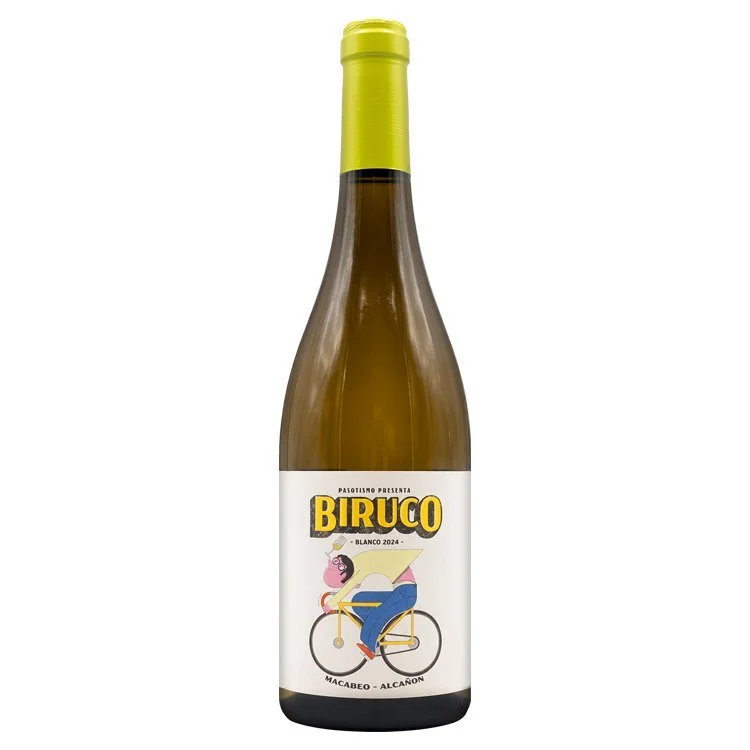
With a mission is to re-establish indigenous varieties and figure out ways to unlock their idiosyncrasies, Biruco includes the almost extinct Alacanon - a late-ripening grape that produces light, fresh, and aromatic wines. It comprises 32% Alcañon and 68% Macabeo; vinified for 4 months in concrete tanks.
Relishing the challenge to learn about rare grapes in their vineyards and then embark on a quest to create something special, local varieties that are only found in Somontano are enhanced by progressive farming and sympathetic winemaking. It’s everything that’s exciting about modern wine from traditional vines.
Limited production of 9,000 bottles
Pasotismo (Spanish for a couldn’t care less attitude, which must be the most tongue-in-cheek wine name ever) is a collaboration between winemakers Nicolas Brun Aguerri of Batan de Salas and Tom Hunt of Paso-Primero. Together they have become the most viticulturally dynamic winery in the whole of Somontano, working tirelessly to re-establish indigenous varieties and farm sustainably despite increased climatic demands.
Tom and Emma Holt’s passion for wine started in their hometown of Shrewsbury and their sense of adventure led them working in wineries in Hawke’s Bay, New Zealand (Pask) and Ontario, Canada (Flat Rock Cellars). The ambition though was always to make wine in the ‘old world’ and Spain was top of the list.
They targeted the Somonato region in the southern foothills of the Pyrenees and met with Batan de Salas, a young, family run winery and found they shared the same winemaking vision and passion for great wines. Together they have revitalised vineyards, focused on unique regional varietals - Alcanon and Moristel - moved towards organic certification and won international awards.
Starting with just one cuvee, 15 years on Tom & Emma are established in Somontano, couldn’t be happier and are now making 8 unique wines. “Our goal has always stayed the same. We simply want to make the kind of wine we’ve always loved drinking. Wine with character and integrity, made with passion and purpose. Wine that represents the personality of the region, the vintage, and the winemakers. But above all else, we want to make wines that make us smile.”
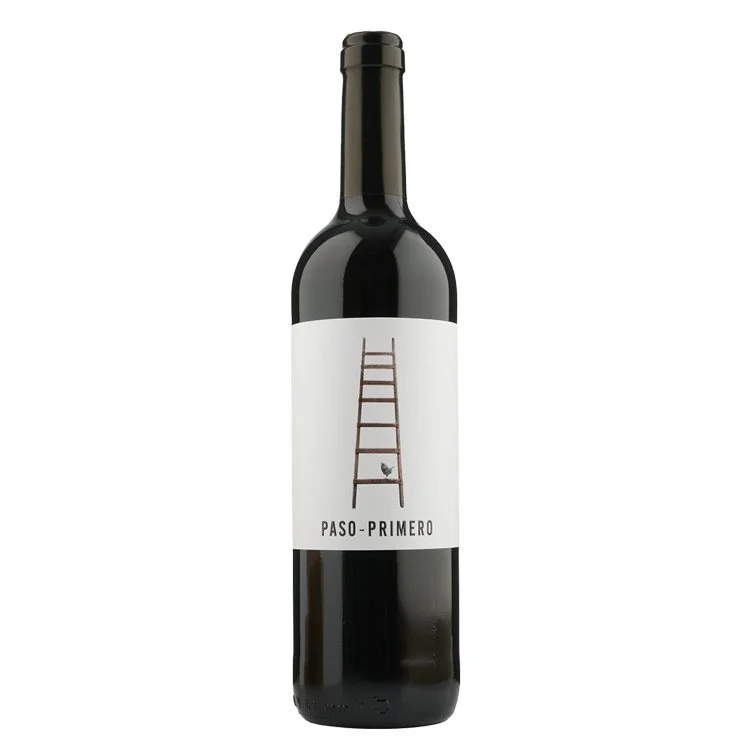
Primo-Paso Tinto was the first wine made by the winery and is a variable blend: 2024 vintage is 50% Syrah, 31% Merlot, 15% Cabernet Sauvignon, 4% Tempranillo. Each varietal is treated individually across a combination of concrete, stainless steel and oak; utilising a range of techniques including conventional and wild fermentation, stem contact and extended skin contact. 25% of the result is kept in oak barrel for 3 - 12 months, the rest in concrete tanks.
The name Paso-Primero doesn’t quite translate to first step, though the story is of two people who dreamed about making their own wine, but never realised how far their dream would take them.
Tom and Emma Holt’s passion for wine started in their hometown of Shrewsbury and their sense of adventure led them working in wineries in Hawke’s Bay, New Zealand (Pask) and Ontario, Canada (Flat Rock Cellars). The ambition though was always to make wine in the ‘old world’ and Spain was top of the list.
They targeted the Somonato region in the southern foothills of the Pyrenees and met with Batan de Salas, a young, family run winery and found they shared the same winemaking vision and passion for great wines. Together they have revitalised vineyards, focused on unique regional varietals - Alcanon and Moristel - moved towards organic certification and won international awards.
Starting with just one cuvee, 15 years on Tom & Emma are established in Somontano, couldn’t be happier and are now making 8 unique wines. “Our goal has always stayed the same. We simply want to make the kind of wine we’ve always loved drinking. Wine with character and integrity, made with passion and purpose. Wine that represents the personality of the region, the vintage, and the winemakers. But above all else, we want to make wines that make us smile.”
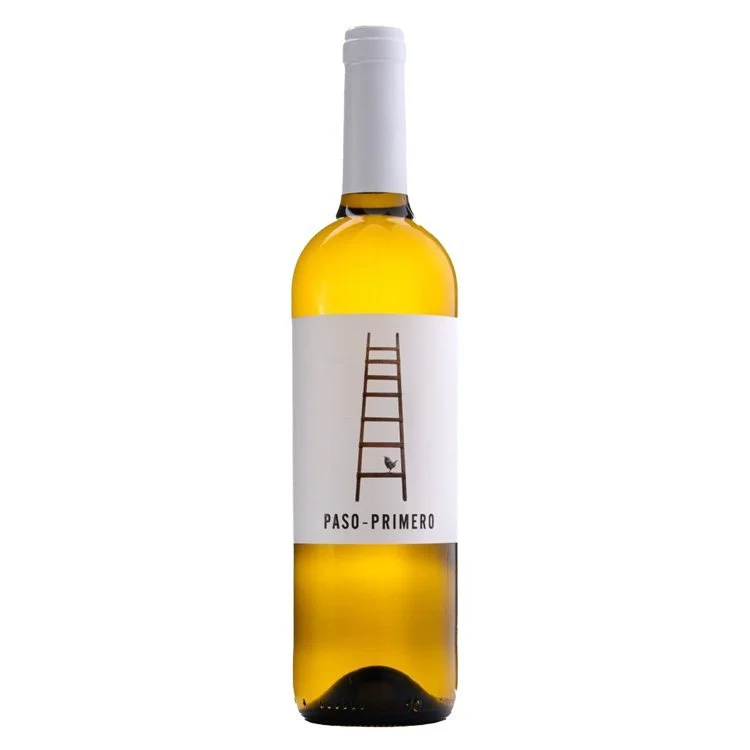
Primo-Paso Blanco is a blend of 60% Macabeo, 34% Chardonnay and 6% Gewurztraminer, vinified separately in either concrete or stainless-steel tanks. A portion of the concrete fermentations are skin contact and use wild yeast but most of the ferments are conventional.
The name Paso-Primero doesn’t quite translate to first step, though the story is of two people who dreamed about making their own wine, but never realised how far their dream would take them.
Tom and Emma Holt’s passion for wine started in their hometown of Shrewsbury and their sense of adventure led them working in wineries in Hawke’s Bay, New Zealand (Pask) and Ontario, Canada (Flat Rock Cellars). The ambition though was always to make wine in the ‘old world’ and Spain was top of the list.
They targeted the Somonato region in the southern foothills of the Pyrenees and met with Batan de Salas, a young, family run winery and found they shared the same winemaking vision and passion for great wines. Together they have revitalised vineyards, focused on unique regional varietals - Alcanon and Moristel - moved towards organic certification and won international awards.
Starting with just one cuvee, 15 years on Tom & Emma are established in Somontano, couldn’t be happier and are now making 8 unique wines. “Our goal has always stayed the same. We simply want to make the kind of wine we’ve always loved drinking. Wine with character and integrity, made with passion and purpose. Wine that represents the personality of the region, the vintage, and the winemakers. But above all else, we want to make wines that make us smile.”
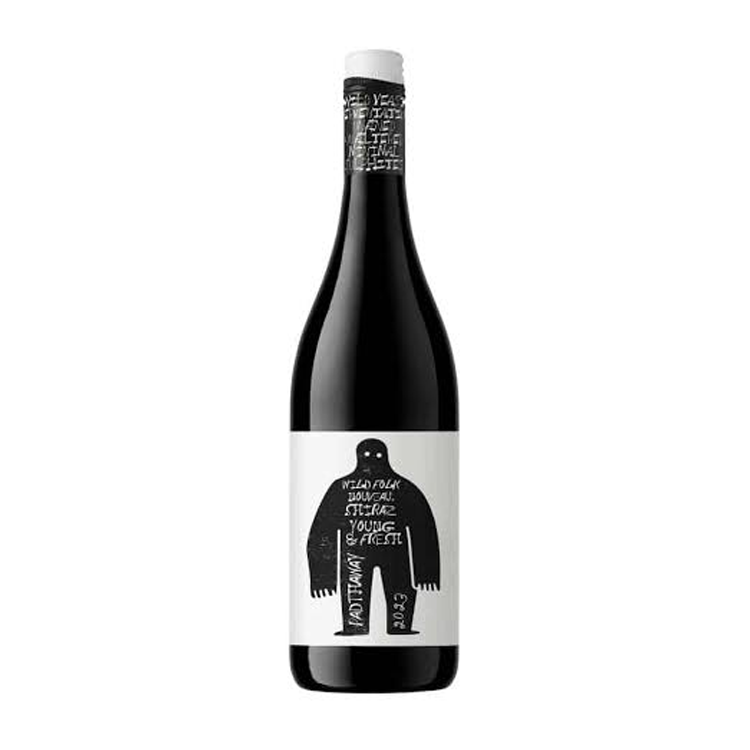
Wild Folk Nouveau are minimal-intervention, natural wines made with wild yeasts, no added preservatives or sulphites and are bottled unfined and unfiltered. They afford easy, early, ‘Nouveau’ drinking - but can be kept.
If the majority of your experiences with natural wine have been shaded by the fact they taste funky, feral and borderline faulty then rejoice, Wild Folk wines are a pure expression of the variety and the vineyard. This is a natural wine that should appeal well beyond dedicated natural-wine drinkers. Fruit is nurtured in the vineyard, handled gently in the winery and made with great care and attention whilst celebrating the ‘less is more’ approach to winemaking.
This Shiraz has the richness people look for in Barossa-style wines, without covering the fruit in sweet oak or excessive winemaking polish - it’s an unnaturally good natural wine.
Grapes were handpicked and sorted before being placed into open fermenters, where wild yeasts initiated the fermentation and the juice subjected to plunging to gently draw colour, flavour and tannin from the skins. Once fermentation was complete, the wine was transferred to stainless steel rather than oak and bottled relatively young. It received minimal additions and was neither fined nor filtered, with no added preservatives used during production.
South Australia wines have a reputation of Barossa Shiraz or Coonawarra Cabernet. The Padthaway region rarely gets the same recognition - but it should. It lies at the entrance to the Limestone Coast, South Australia's cool-climate wine corridor that stretches south from Coonawarra toward the Southern Ocean. It's a flat landscape, where beneath the loam surface lies limestone — the same geological foundation that gives the Limestone Coast its reputation for producing wines of genuine elegance and intensity. The cooler temperatures in Padthaway helps preserve the natural acidity and delicate red fruit characters, where warmer regions might push towards something heavier.
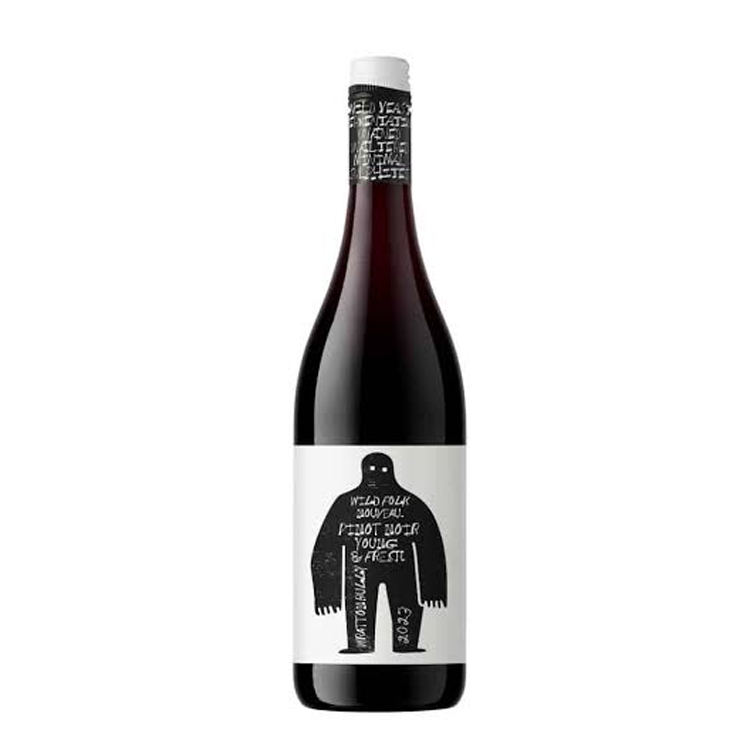
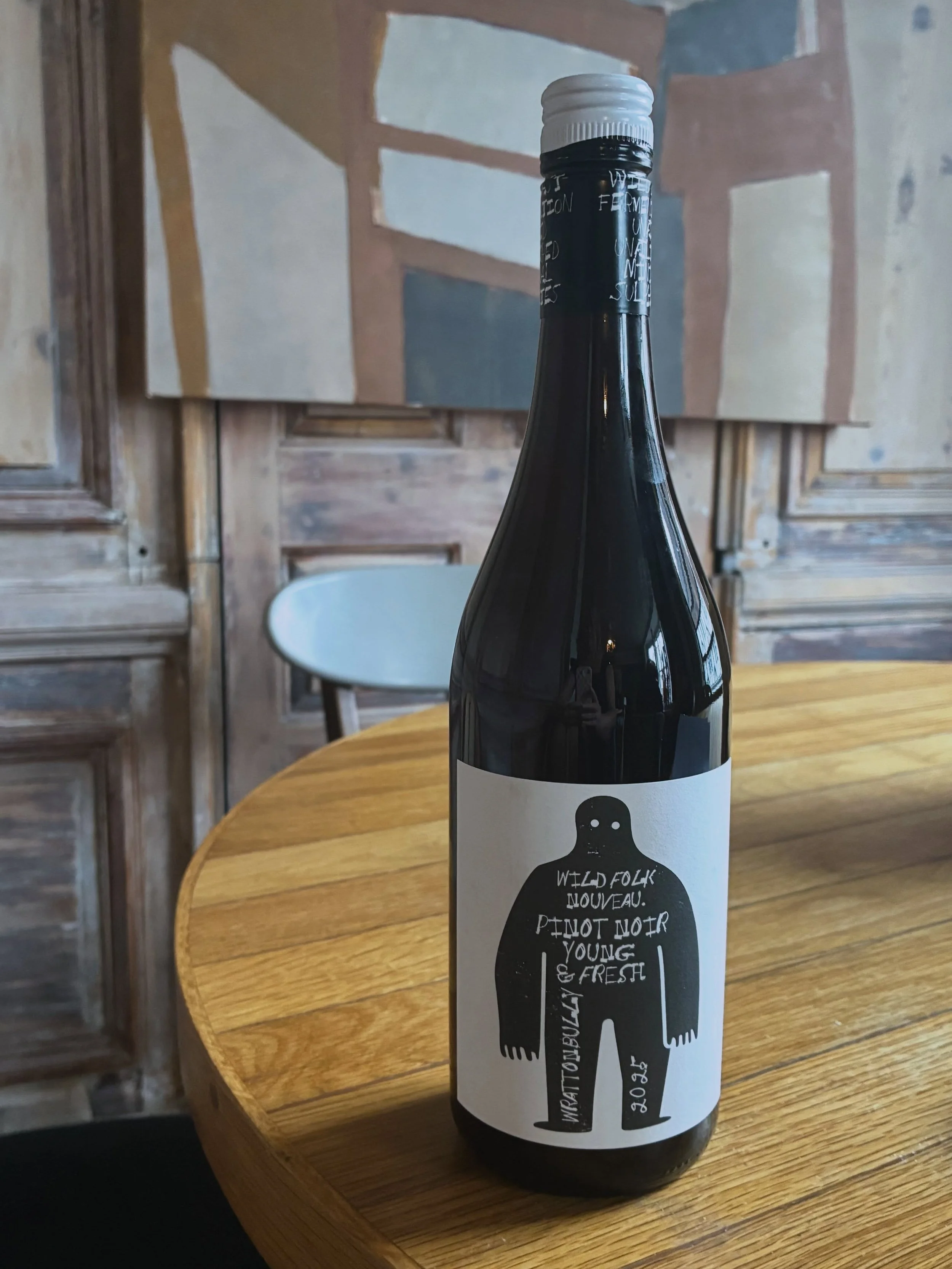
Wild Folk Nouveau are minimal-intervention, natural wines made with wild yeasts, no added preservatives or sulphites and are bottled unfined and unfiltered. They afford easy, early, ‘Nouveau’ drinking - but can be kept.
If the majority of your experiences with natural wine have been shaded by the fact they taste funky, feral and borderline faulty then rejoice, Wild Folk wines are a pure expression of the variety and the vineyard. This is a natural wine that should appeal well beyond dedicated natural-wine drinkers. Fruit is nurtured in the vineyard, handled gently in the winery and made with great care and attention whilst celebrating the ‘less is more’ approach to winemaking.
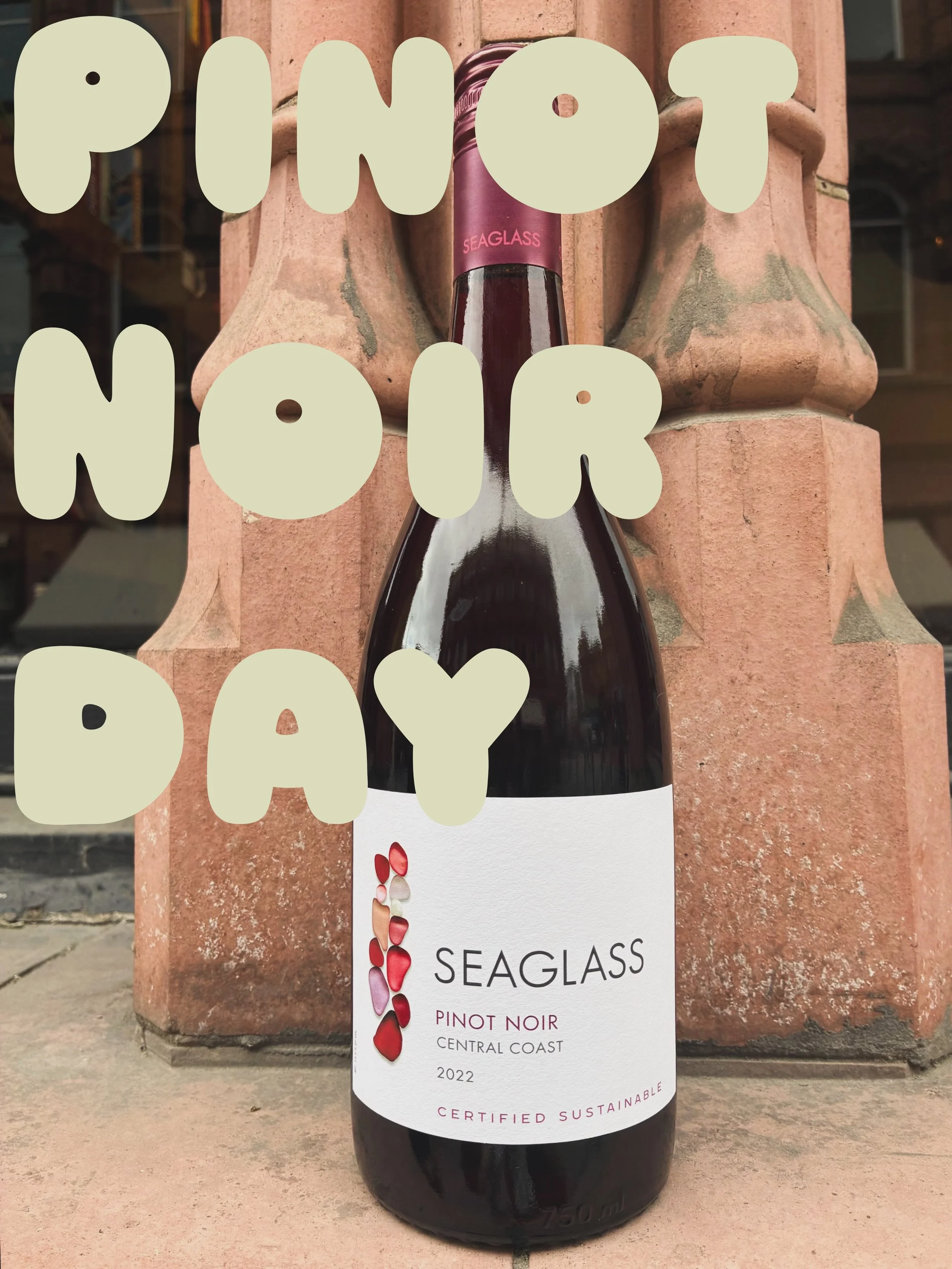
This Pinot Noir offers a lighter style with fresh red fruit flavours of cherry, raspberry and cranberry. Deliciously natural.
The fruit is handpicked and sorted before fermentation in open fermenters, with gentle plunging used to extract colour and texture. Fermentation occurs naturally with wild yeast, followed by maturation in stainless steel rather than flavour-heavy oak. The wine is bottled young with minimal additions and without fining or filtration. No added preservatives are used, keeping the focus firmly on fresh fruit, natural texture and vineyard expression.
The Pinot Noir grapes are grown in Wrattonbully, a designated wine region on the Limestone Coast in the south east of South Australia, lying between Padthaway and Coonawarra. Famed for its free-draining terra rossa soils over ancient limestone, it produces bold, structured fruit from high-elevation vineyards (75–100 meters). Its moderate climate is ‘inland maritime’ with warm days and cool nights, reducing disease and frost risk.
Now emerging as an award-winning wine region Wrattonbully is home to nearly 50 grape growers and 20 wine producers, from prominent Australian wine companies to boutique family-owned businesses.

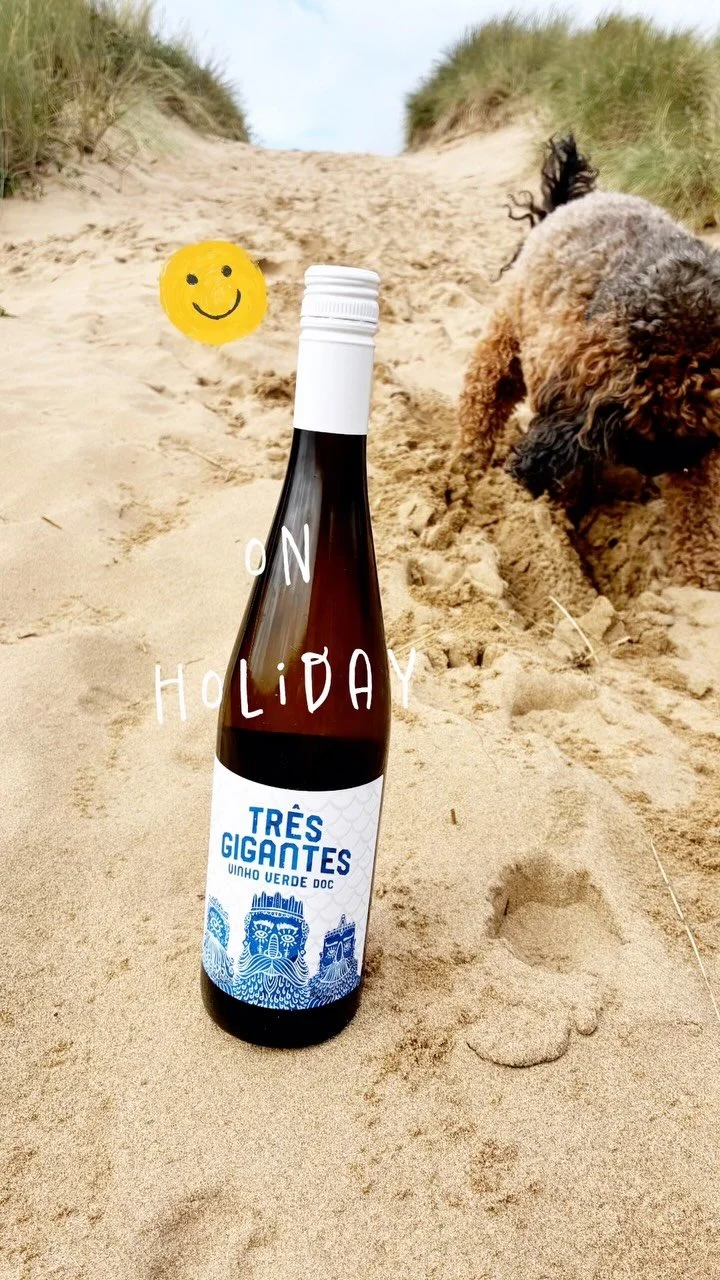
Três Gigantes draws its character from the ancient lands of northern Portugal, heavily influenced by the Atlantic Ocean. A Vinho Verde, expressing delicate, fresh, and floral aromas with a light citrus and appley touch.

Kindred Spirits displays the distinctive style of Barossa old-vine Shiraz. The ancient soils and gnarled vines produce small crops of intensely flavoured grapes.
In the glass it’s coloured purple with a dense and dark body. A full-bodied and very aromatic Shiraz showing purple berry fruits, dark chocolate and integrated spices. The palate shows good weight and evenness whilst the fine tannins and integrated acidity drive persistence on the long finish
The fruit is partially hand-harvested before de-stemming and cool fermentation in small two tonne open fermenters with regular hand plunging. Matured in seasoned French oak (20% new French) for six months before bottling with minimal filtration.
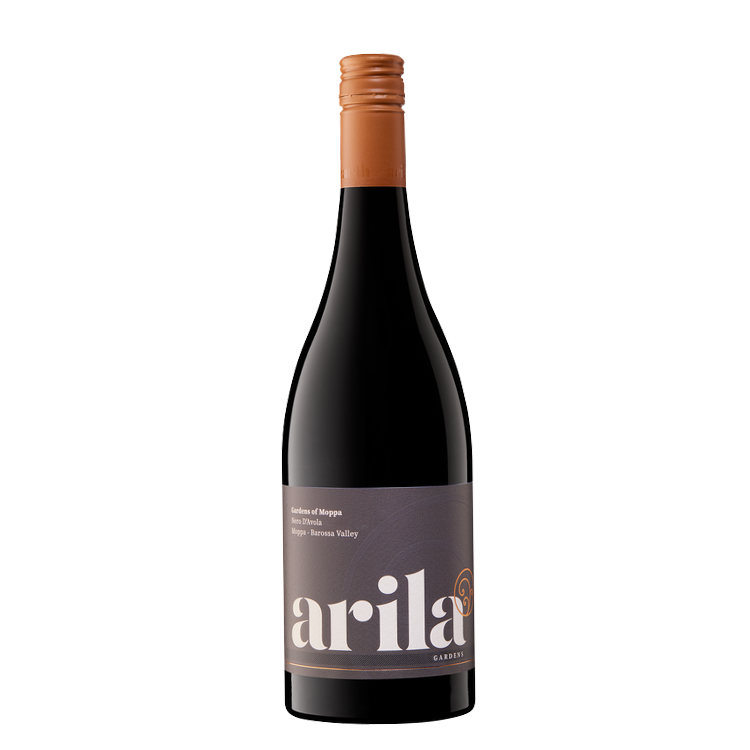
The Italian Nero d’Avola grape has found a great expression in the Barossa region.  Traditionally dry grown, Moppa vines are naturally low-yielding and consistently provide parcels of fruit unparalleled in quality. The flavour profile can be described as darker, complex and brooding, and the structure of wines produced from this fruit ensures they cellar remarkably well.

Moppa is arguably the most historic and premium region within the Barossa. It is home to some of the oldest vines in the world with plantings of Shiraz, Grenache, Mataro and Cabernet Sauvignon dating back to the late 1800’s and early 1900’s. Neighbouring vineyards to Arila Gardens have produced highly sought after fruit that have featured in the Barossa’s most top-hand wines, including Penfolds (Grange, Special Bin 111A and Block 42), Peter Lehmann’s (Masterton) and Torbreck (Runrig).

At 300m Moppa is one of the higher points in the Barossa Valley, providing cooler conditions which allow for long, steady ripening. The soil profile is unique – with a patchwork of sand, ironstone & quartz over deep clay.

Nero d’Avola grapes are sourced from the De Fazio Estate and fermented in small open top vats for 8 days with gentle pump overs and hand plunging. It has 10 months in seasoned French oak hogsheads and filtered prior to bottling.

Arila is an Aboriginal word for ‘sand, land and earth’  - thus honouring the original owners of the land. Just like the older vignerons who so carefully tended vine by hand, the current growers still refer to their vineyards as  ‘gardens’.  As a boutique winery, wine production is limited each year. 2019 was the first vintage.
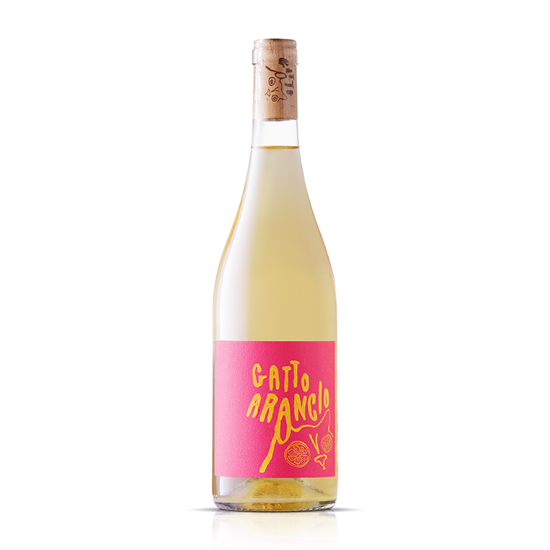
30 ha of north-eastern exposed vines at around 300m altitude. Hand harvested. De-stemmed and whole bunches undergo a natural fermentation in vat.
Whole bunch portion left in contact with skin for 5 days, creating a sort of ‘infusion’ to extract flavor and aroma yet minimize tannin. MLF is blocked to retain a high level of freshness and bright acidity. No additions other than minimal SO2 at bottling. Unfiltered.
Fazi Battaglia is an icon of Italian wine since 1949. Owned and operated by the Angelini family, it is symbol of both the Marche region and the Verdicchio grape variety. The Angelini empire consists of top estates in Italy's esteemed regions. The aim of its wineries is respect for the environment and to promote the local 'identity' as authentically as possible.
Production methods are rooted in transparency and precision. Andrea Lonardi is a legend in his own right, with deep experience producing wine around the world. He is the COO of Bretani Domains, and a force to reckoned with. The foundation for this collaboration is 30 hectares of thoughtfully, responsibly farmed vines in the heart of the region.
Coupled with Andrea Lonardi's pedigree, these wines represent the pinnacle of Verdicchio, produced in a creative range of styles.
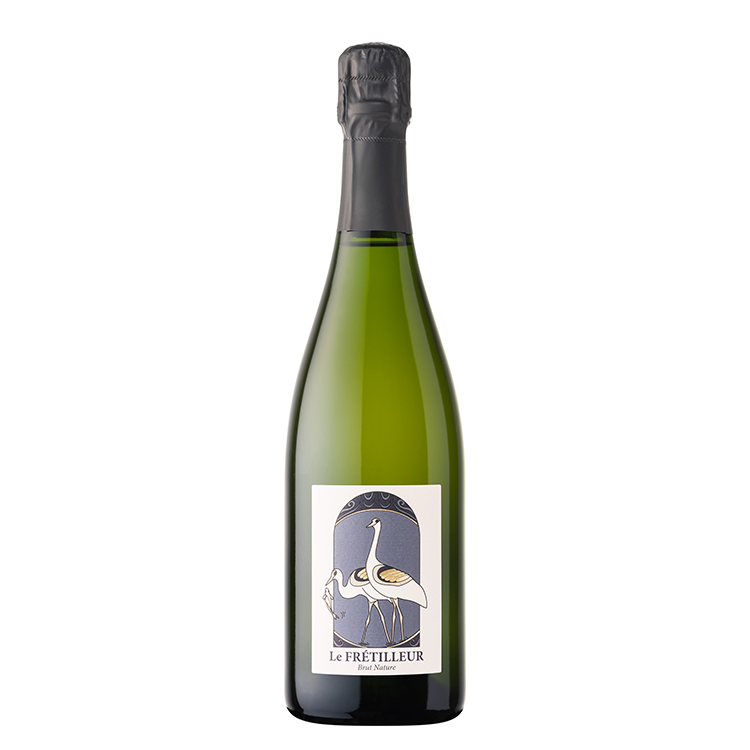
Its unusual for Verdejo to be found grown in the Languedoc and then used to make a sparkling wine.
Planted by Domaine Coudoulet to adapt their vineyards to climate change, the full fruit and acidity allows this Methode Traditional to be made with no dosage (added sugar)
Selected Verdejo grapes were harvested in August 2022. The first fermentation was in in steel tank, ageing on lees for 10 months. The second fermentation in bottle with a low tirage, then it’s matured on laths for 10 months. Disgorged in May 2024, with no dosage.
The name “Le Fretilleur” means “the wriggler”. Like other labels of the Ournac Frères range it features artwork from their great-great-grandfather and his brother. The wriggling carp and the two majestic cranes reflect the happy art-nouveau period.
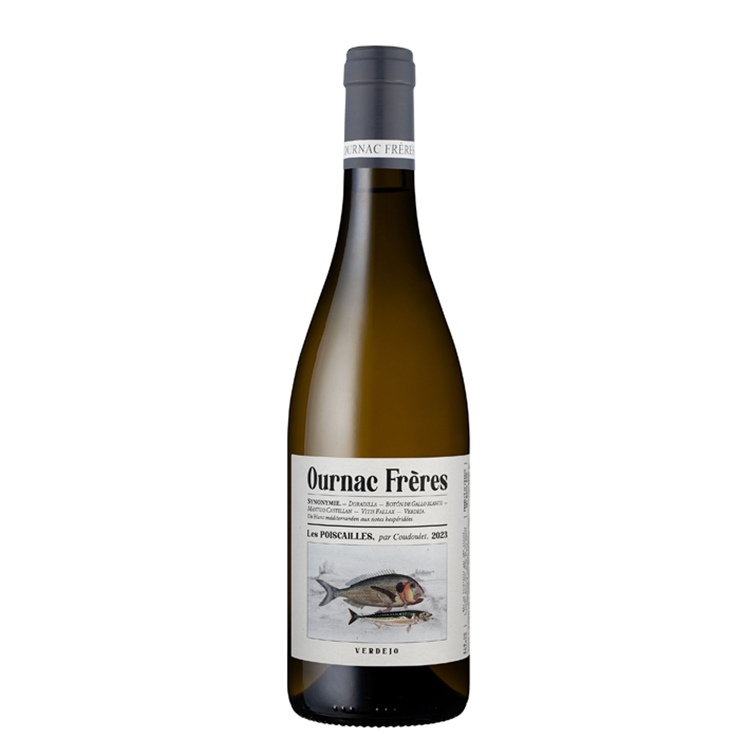
Verdejo, famous in Spain, is now grown in Languedoc for its quality in higher temperatures, helping to adapt to climate change.
6-year-old vines from the plots named “les Garruffes et le Buga”. Sustainable viticulture are tended to with ecological practices; grass cover, bio-technical insect control, organic fertilisers, light tillage etc.
Destemmed at harvest, the grapes undergo traditional vinification and ageing in stainless steel vats.
Labels of the Ournac Frères range feature graphics of the political newspapers of 1900 where their great-great-grandfather and his brother, though wine merchants, also exercised their talents as artists and caricaturists.
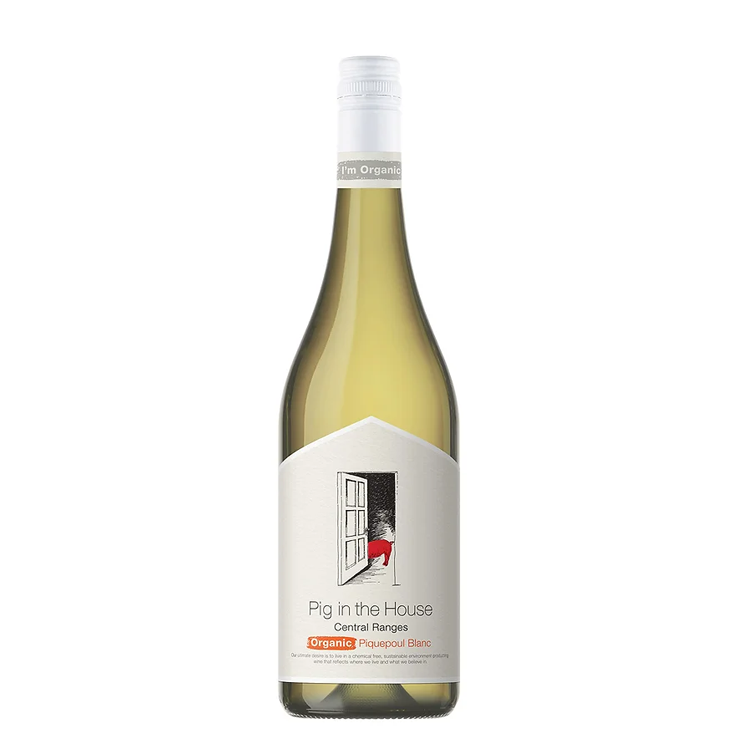
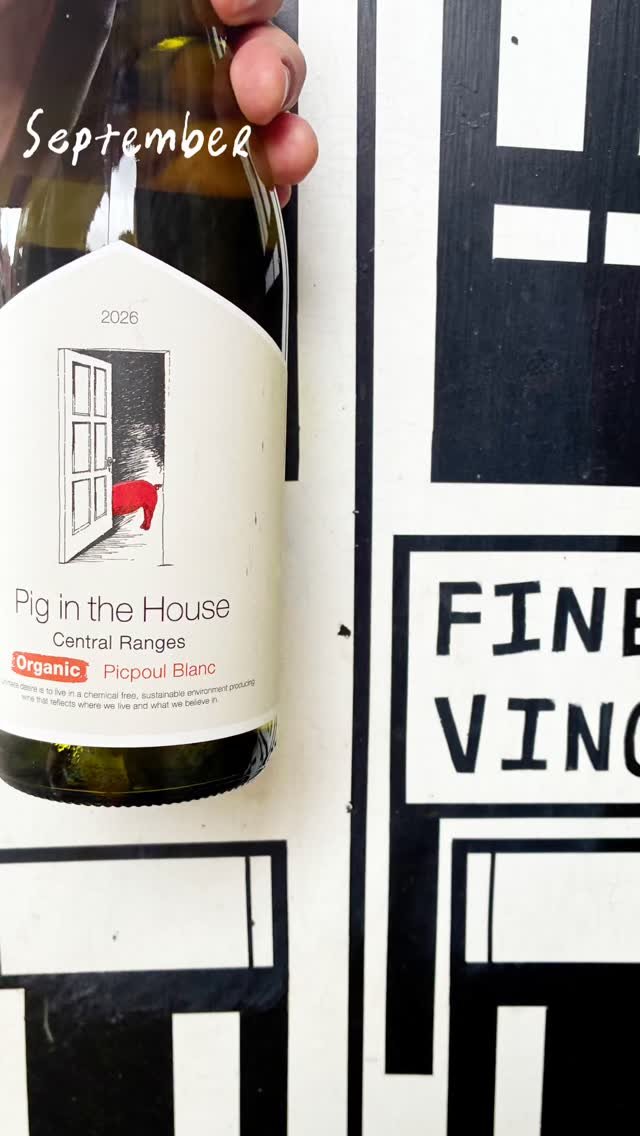
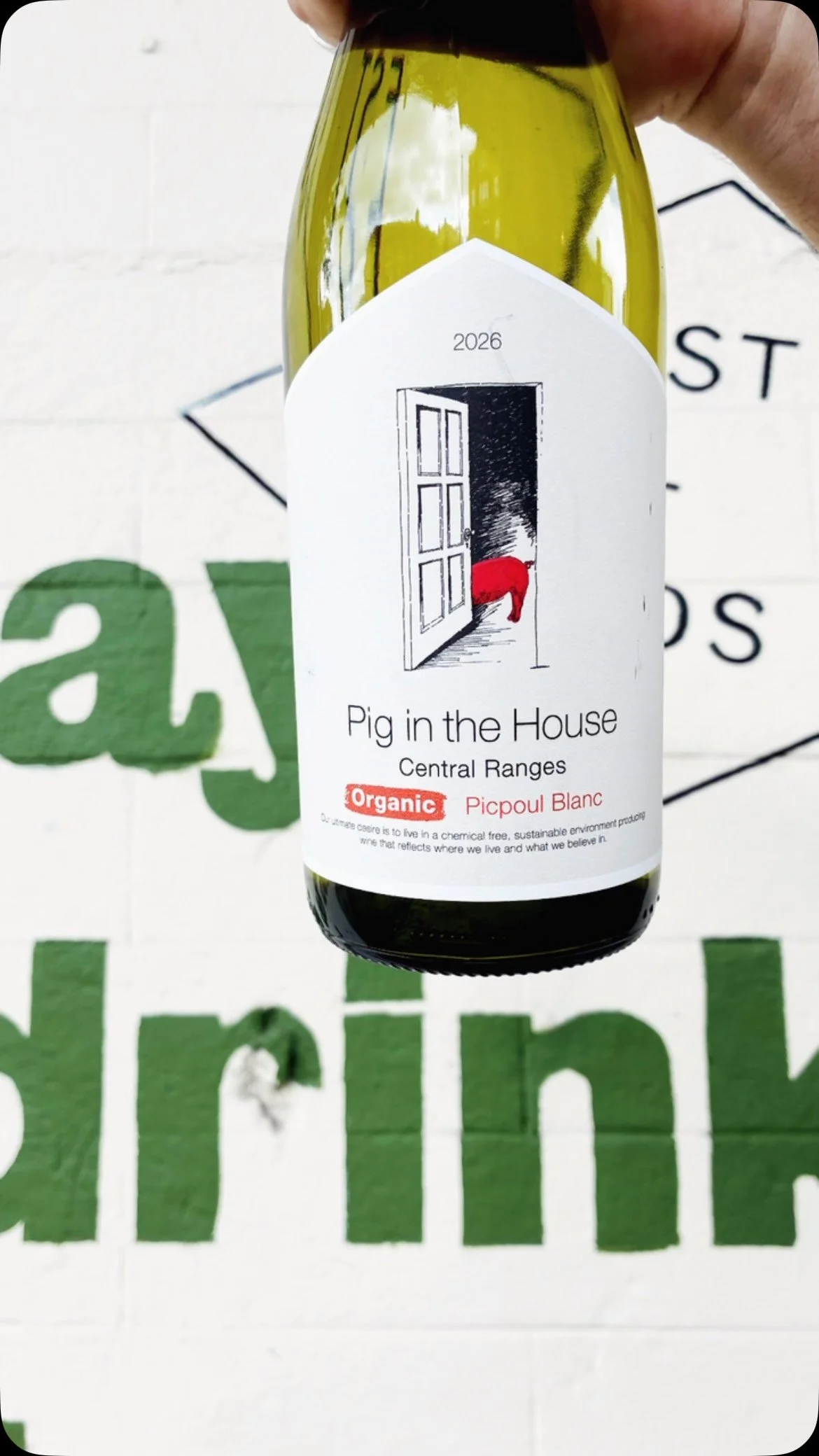
A captivating style of Picpoul that has a little more fruit character and a little less acidity than its French counterparts.

2025 provided ideal growing conditions for the grape - a cool growing season with optimal on vine maturation: developed flavours rarely seem with this varietal according to the winery

The grapes were harvested in one parcel when the fruit was determined to have a balanced flavour profile. The juice was pressed off gently, with only the free run used in this wine. The wine is fermented with a higher-than-normal percentage of juice solids. Fermentation of the free-run juice was performed in stainless-steel tanks at 14 °C to maintain freshness, while aromatic yeasts are used to promote aromatics.

Several finishing trials are conducted to develop the texture and optimise the weight of the palate to best exhibit the variety's characters. Filtration and bottling were undertaken in rapid succession to maximise the freshness of the wine.

Producer Windowie’s ultimate desire is to live in a sustainable environment, as chemical free as possible, producing wine that reflects where they live and what they believe in.
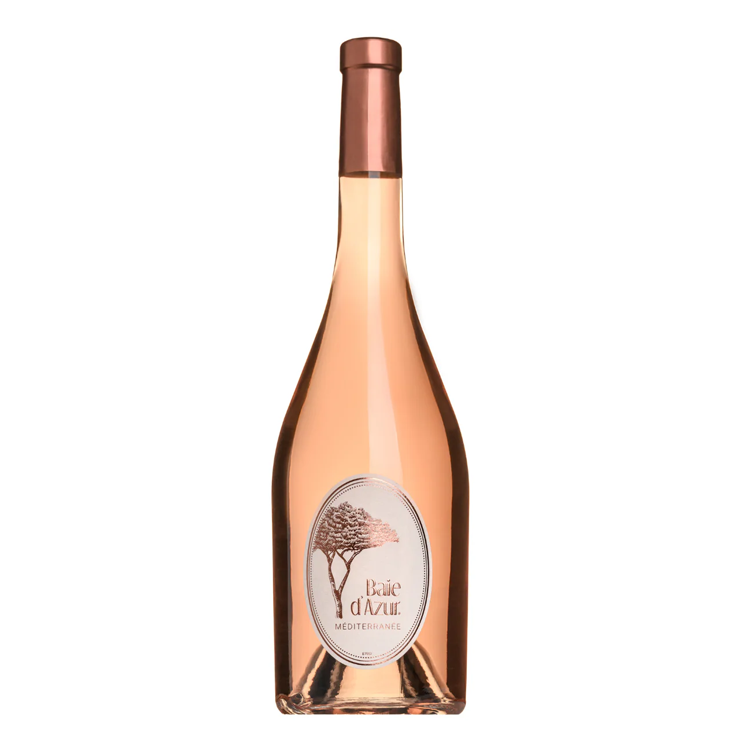
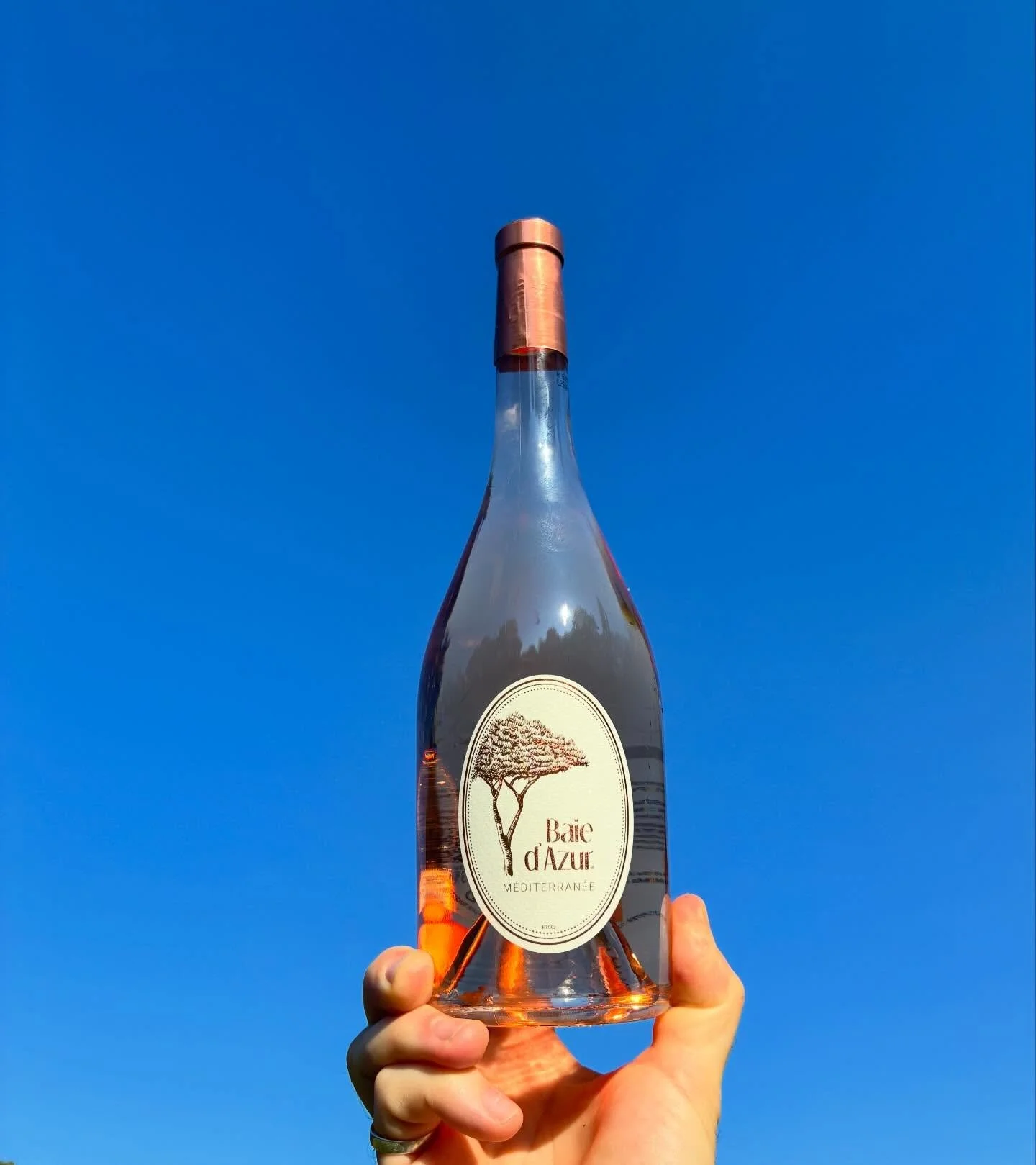
A rosé wine with an outstanding fresh and fruity character, embodying the light, summery flavors of the Mediterranean region.
A blend of 95% Grenache Noir and 5% Cabernet Sauvignon from vineyards located in Southern Ardèche. The vines are planted on hillsides and gentle slopes made up of chalky-clay soil and alluvial areas. The climate is typically Mediterranean.
Grapes are harvested when the temperature is at its lowest, and with the ripest selected as the wine is made only from “free-run juice” (the berries are not crushed). The alcoholic fermentation is carried out at a low temperature. The wine’s character is full and sweet despite the low 1g/l residual sugar.
Vignerons Ardechois are the bigger producer of rose wines in the region, the style accounts for 40% of the co-operatives production.
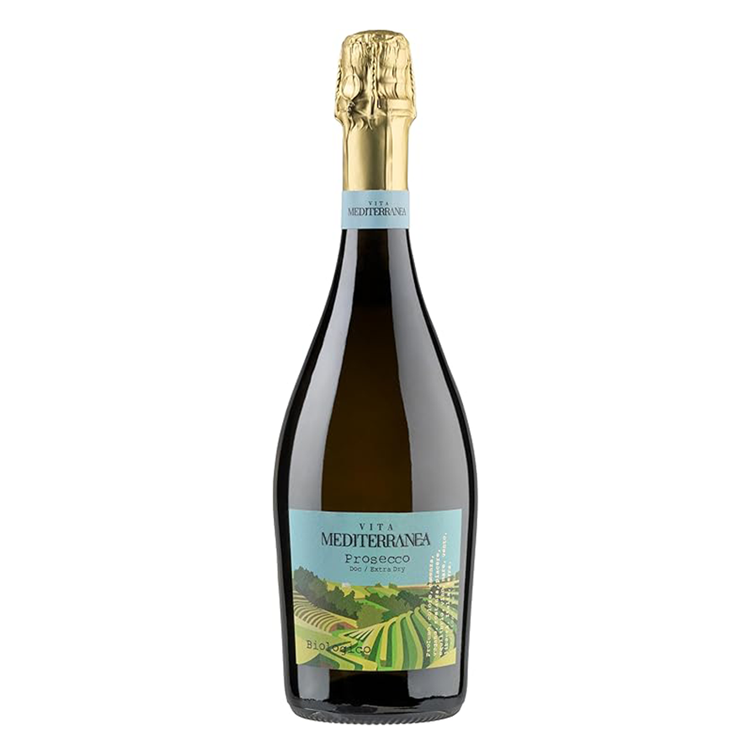
A Certified Organic Prosecco DOC, Extra Dry.
Made from 100% Glera grapes grown in south-east facing vineyards of clay and moraine soils at an average altitude of 150–200 metres above sea level.
The first fermentation takes place in stainless steel tanks at controlled temperatures to preserve the delicate floral and fruity aromas. The second fermentation occurs using the Martinotti/Charmat method in sealed, pressurised tanks, ensuring a fine and persistent perlage.
It is further aged on fine lees in these pressurised tanks for approximately one month to enhance aromatic complexity and texture. The wine is vinified in accordance with organic and vegan standards.
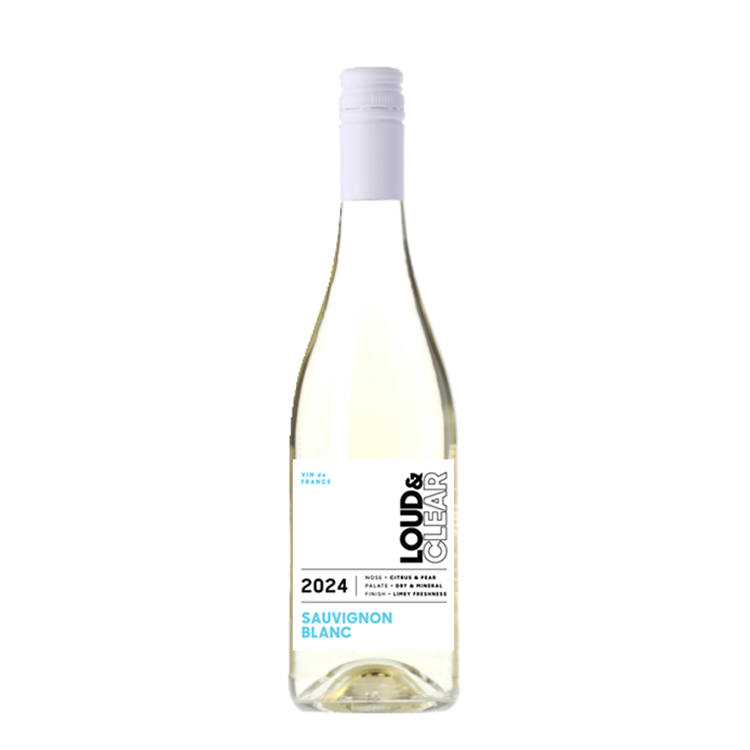
A sustainably sourced Sauvignon Blanc from the Gers region of Gascony.
Winemaker Laurent Gauzi originally studied as a pharmacist before he became an oenologist. Working in mainly Languedoc and Bordeaux his conviction is that “the art of blending makes it possible to sublimate the terroirs”.
He is committed to ‘Sustainable Viticulture’ aiming to ensure the sustainability of the vineyard and an income for the farmer through regular and quality production, whilst preserving the environment and benefiting the local people. It implies a change in mentalities and working methods, more than a technical revolution. Many French winegrowers have started to turn to this form of viticulture – a respect for the environment that is encouraged by European and French state authorities.
Gers is a wine making area, (noted as the place of Armagnac production), in the heart of Gascony - a vast, historical region in southwest France located between the Pyrenees mountains and the Garonne River that runs into Bordeaux. There are 20,000 hectares of vines, which cover over 50% of the Gers region, mainly situated in the northwest of the department - though there are vines, to some degree, everywhere else on exposed hillsides.
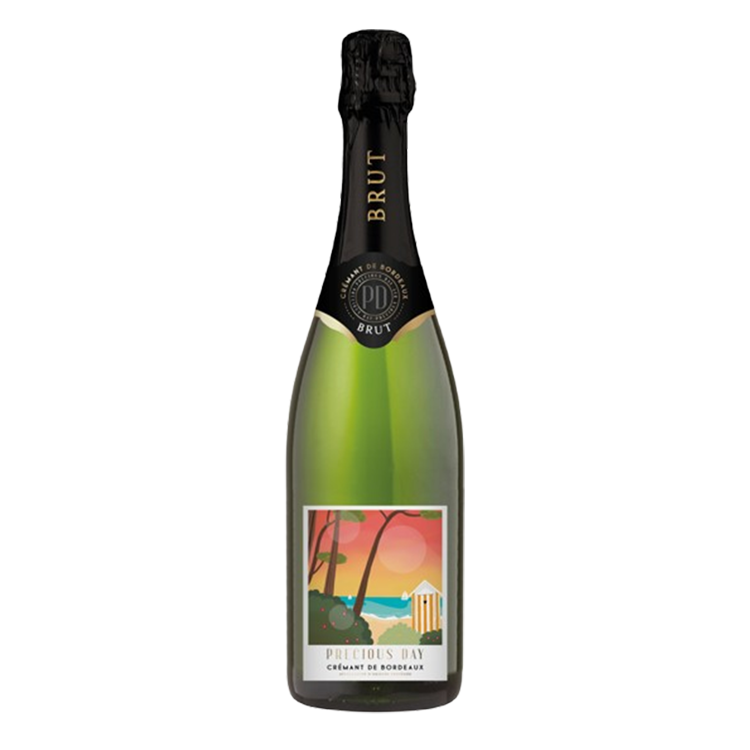
The AOC Crémant de Bordeaux is relatively young (1990), but the method behind it goes back to the 19th century, when Bordeaux cellars first mastered secondary fermentation in bottle.
All the grapes used must be picked by hand and the wine aged for a minimum of 12 months to qualify as Crémant de Bordeaux. Most whites utilise a mix of grapes including Sémillon, which lends more minerally flavours and grassy, floral aromas than Champagne and other Cremants.
Precious Day is a blend of 60% Sémillon and 40% Merlot. resulting in a unique and captivating flavour profile. Its combination of fruitiness, elegance, and affordability makes it a real crowd-pleaser
There are several different labels in each case, all depicting a scene from a 'precious day'.
Awards:
Bronze Medal - International Wine Challenge 2023
“Frothy easy sipper with apple notes and nutty hints”.
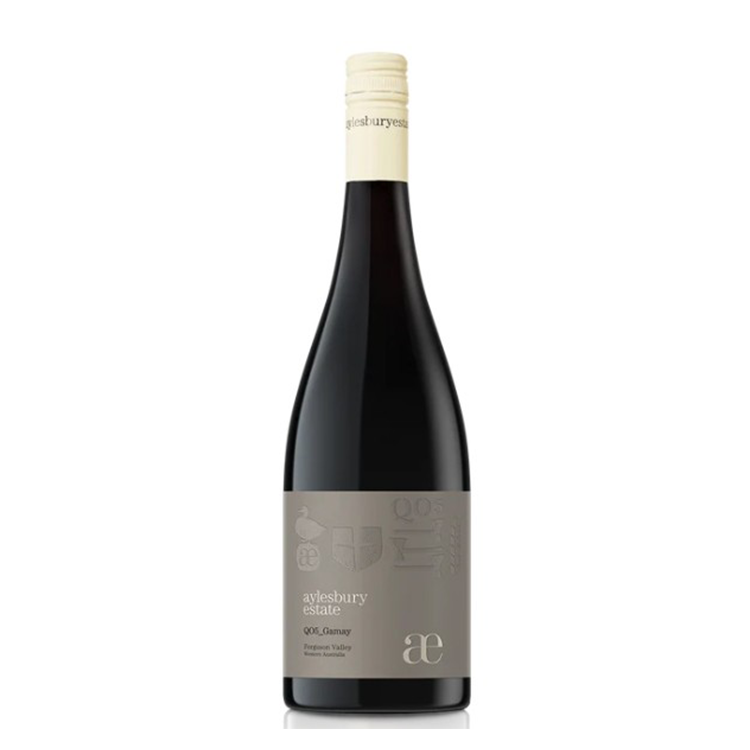
Gamay, the Beaujolais grape, is here given a lick of oak to enhance the tannins.

Harvested in the cool autumn mornings, a quick seven-day ferment, gently pressed then matured in seasoned French oak for six months before being filtered, then bottled.

2023 had mild summer, cooler than usual resulted in a longer ripening period and later harvest. This was a growers’ dream. At the same time there was no rain to halt the long, slow but linear ripening of each variety. These conditions have produced balanced wines with powerful flavours being the hallmark.

QO5 references the original family who immigrated from England and settling in the Ferguson Valley in 1883 they were issued this ‘mark’ to brand and identify their livestock. Now, five generations later the Gibbs family use it as a unique symbol of quality and their heritage.
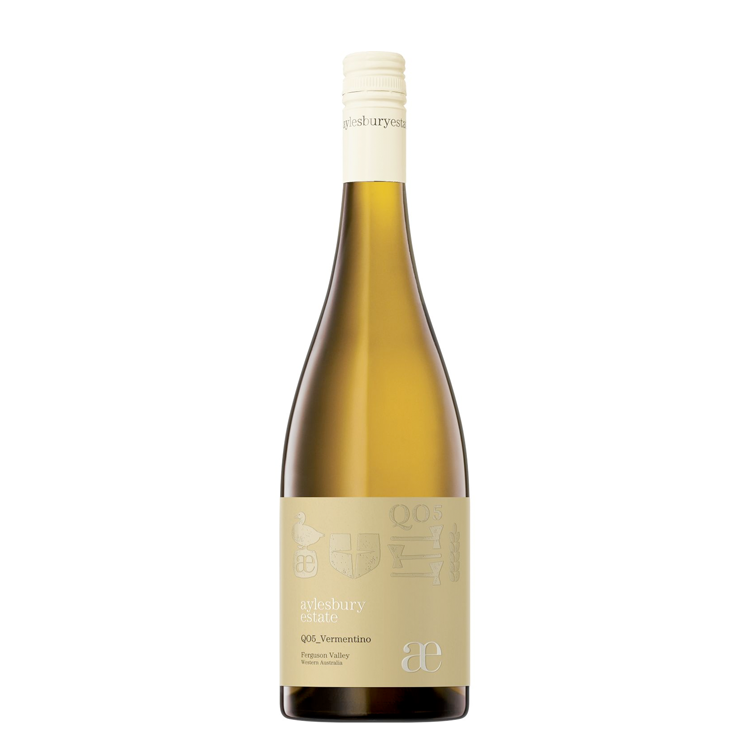
Vermentino is a grape of Italian heritage, growing mostly in Sardinia though now planted in Languedoc - and here from Australia. It makes a light-bodied white wine that is also complex and can be regarded as a similar style to Sauvignon Blanc.

During winemaking the grapes are crushed and pressed to tank, naturally clarified, and racked to retain some turbidity, adding a textural element. Fermented and matured on its lees, then lightly fined and filtered prior to bottling.

Across Western Australia, the 2024 vintage was the earliest on record, with extremely hot growing conditions in the Swan Valley. Despite this, the fruit produced was of excellent quality and intensity.

QO5 references the original family who immigrated from England and settling in the Ferguson Valley in 1883 they were issued this ‘mark’ to brand and identify their livestock. Now, five generations later the Gibbs family use it as a unique symbol of quality and their heritage.
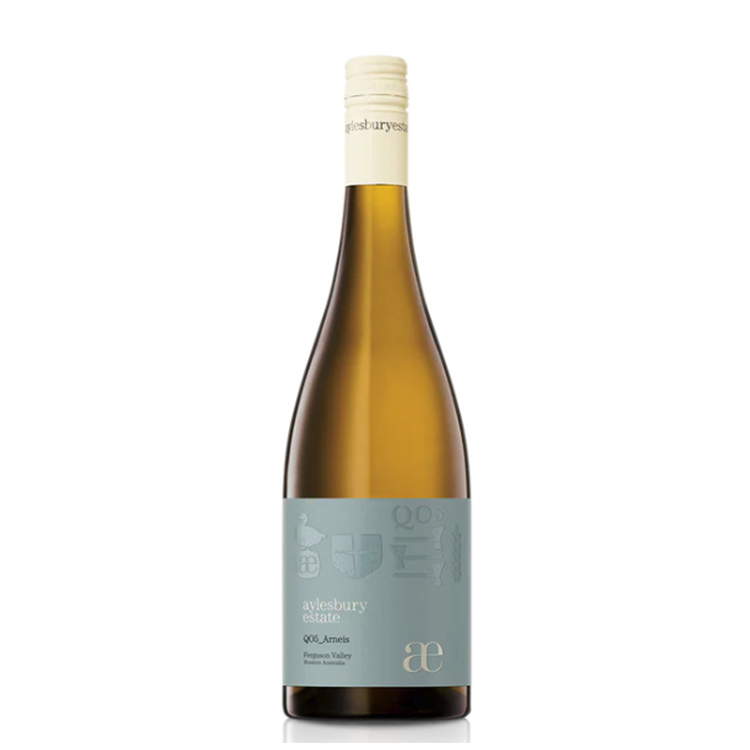
Arneis is an Italian varietal hailing from Piedmont. It produces wines similar in character to Chardonnay or Verdelho, so ideally suited to Australian conditions.

After harvesting the fruit was destemmed, crushed and then pressed. The juice was transferred into two and three-year-old French oak barrels for wild fermentation over a period of 5 months.

2023 had mild summer, cooler than usual resulted in a longer ripening period and later harvest. This was a growers’ dream. At the same time there was no rain to halt the long, slow but linear ripening of each variety. These conditions have produced balanced wines with powerful flavours being the hallmark.

QO5 references the original family who immigrated from England and settling in the Ferguson Valley in 1883 they were issued this ‘mark’ to brand and identify their livestock. Now, five generations later the Gibbs family use it as a unique symbol of quality and their heritage.

The Saperavi grape is indigenous to Georgia; powerful fruity and with robust tannins it has great affinity with the Moppa region in the Barossa region. Traditionally dry grown, the vines here are naturally low-yielding and consistently provide parcels of fruit unparalleled in quality. The flavour profile can be described as darker, complex and brooding, and the structure of wines produced from this fruit ensures they cellar remarkably well.

Moppa is arguably the most historic and premium region within the Barossa. It is home to some of the oldest vines in the world with plantings of Shiraz, Grenache, Mataro and Cabernet Sauvignon dating back to the late 1800’s and early 1900’s. Neighbouring vineyards to Arila Gardens have produced highly sought after fruit that have featured in the Barossa’s most top-hand wines, including Penfolds (Grange, Special Bin 111A and Block 42), Peter Lehmann’s (Masterton) and Torbreck (Runrig).

At 300m Moppa is one of the higher points in the Barossa Valley, providing cooler conditions which allow for long, steady ripening. The soil profile is unique – with a patchwork of sand, ironstone & quartz over deep clay.

Saperavi grapes from the Nietschke vineyard are fermented in small open top vats for 8 days with gentle pump overs and hand plunging. It has 10 months in seasoned French oak hogsheads and filtered prior to bottling.

Arila is an Aboriginal word for ‘sand, land and earth’  - thus honouring the original owners of the land. Just like the older vignerons who so carefully tended vine by hand, the current custodians refer to their vineyards as  ‘gardens’.  As a boutique winery, wine production is limited each year. 2019 was the first vintage.

Around 2018 a new description appeared in the sherry region: Vino de Pasto. Though not exactly new – it is a resurgence of a very traditional type of wine that has always been part of the winemaking in Jerez.
Vinos de Pasto are white table wines, sharing some winemaking traditions with classic sherry wines but the crucial difference is they are not fortified. They are close to the base wines for sherry production, the sobretablas that go into the top of a Fino solera. While very common until the late 19th century, they fell into oblivion after the phylloxera plague and the foundation of the Jerez D.O. in 1935.
Paranormal Vinos de Pasto is produced from Palomino Fino grapes grown in Bodegas Baron’s El Poedo 47ha vineyard on the border of Sanlucar and Rota – a Jerez Superior area on hills of albariza soils in front of the Guadelquiver river.
Noted for its double fermentation, winemaking begins with a first, vigorous, fermentation in new American oak barrels at high temperature taking advantage of the natural richness of the first press free run juice; followed by a second, slower, fermentation enhancing the wines distinctive characteristics and converting sugar to alcohol – resulting in a bone-dry wine of <0.01gr/l. residual sugar. It then ages for 8 months on selected fine lees.
Whilst it literally means ‘pasture wines’ (or colloquially, a wine to drink with food) there is now a tendency to use the name as a badge of honour: an intentional understatement for wines of high quality and high complexity.

Depende’s appeal is in being a fuller and softer, less astringent style of Albarino.
Manually harvested grapes come from a mix of young plots – giving freshness to the wine – sourced from the Salnés and El Condado sub-zones with the greater part coming from Salnés. The combination of grapes from such different sub-zones creates part of the personality of Depende. Grapes from El Condado have a lower acidity giving a rounded, balanced wine with moderate astringency and a certain softness.
Fermentation is carried out at a controlled temperature of 15ºC to preserve all the floral and tropical notes. The combination of yeasts selected by the oenologists increases the aroma and flavour complexity of these delicate wines.
Bodegas Vionta was one of the first wineries in Rías Baixas to introduce maceration on the lees. This adds to the wines a structural complexity and very special aromas.
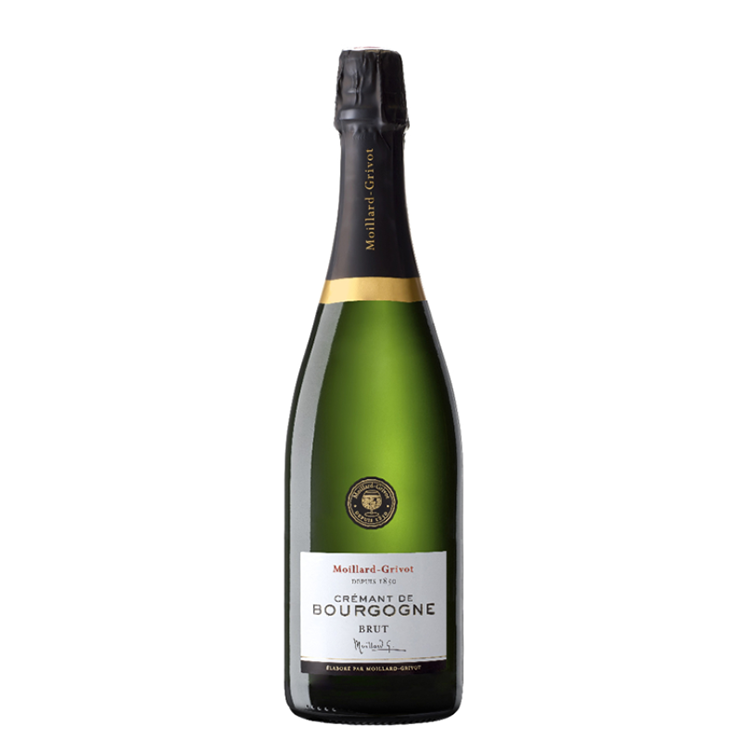
A blend of classic Burgundy grapes – Pinot Noir, Chardonnay, Gamay and the lesser grown Aligote.
They are mainly sourced from vineyards in the Cotes and Haute Cotes de Beaune and de Nuits (limestone and marl soils) plus the Cotes Chalonnise (granite soils) and Epineuil (Kimmeridgian clay and limestone).
The grapes are pressed on immediate arrival at the winery and fermented in stainless steel vats at 18C. Secondary fermentation is in bottle, which are matured for 12 months and stored on their sides (‘sur latte’; as happens in Champagne) before being put in gyro pallets and disgorged off the lees. A ‘liqueur d’expedition’ tops up the bottles before corking.

A white Champagne made from black grapes – a 50/50 blend of Pinot Noir and Pinot Meunier.
Since 2019 Tribaut has been one of the first Champagne houses to convert to fully organic growing – a rarity in Champagne and something that for the large Houses is almost impossible.
Grapes for Blanc de Noir are sourced from Romery and Damery with 30% partially aged in oak barrels and casks for 30 months and on the lees before disgorgement. There is no dosage (added sugar) at disgorgement – a Brut Nature Champagne.
Awards :
• 89/100 in the Guide Gilbert & Gaillard
• 2 stars in the Guide Hachette des Vins
Tribaut-Schloesser was founded in 1929 in the heart of the champagne region in Romery, near Epernay. Four generations of the family have now built upon their passion and expertise to produce a range of impressively delicate and refined Champagnes.

Pale ruby red in colour with fragrant aromas of rhubarb, spice and sweet cherries. On the palate, an earthy, expressive wine with flavours of plum, raspberry and herbaceous notes. This funky, carefree wine is crafted from grapes grown in McPhersons spectacularly beautiful Central Victorian Vineyards. Enjoy in peace, love and happiness.
The wine is lightly oaked using old French barrels, allowing the wine oak for structure and balance, without imparting strong oak tannins. Sangiovese is typically a lighter style of red wine, early to release and easy to drink, which is why we bottle it young to retain those youthful, fresh, fruity characters.

Otherworldy Zinfandel
Crafted with grapes sourced from Lodi’s best Zinfandel vineyards, The Specialyst transcends the ordinary. Heady aromas of ripe black cherries and warm cinnamon reveal bold blackberry and spiced plum flavors cloaked in toasted vanilla. Smooth and full-bodied with a lingering finish, The Specialyst is a truly out-of-this-world experience.

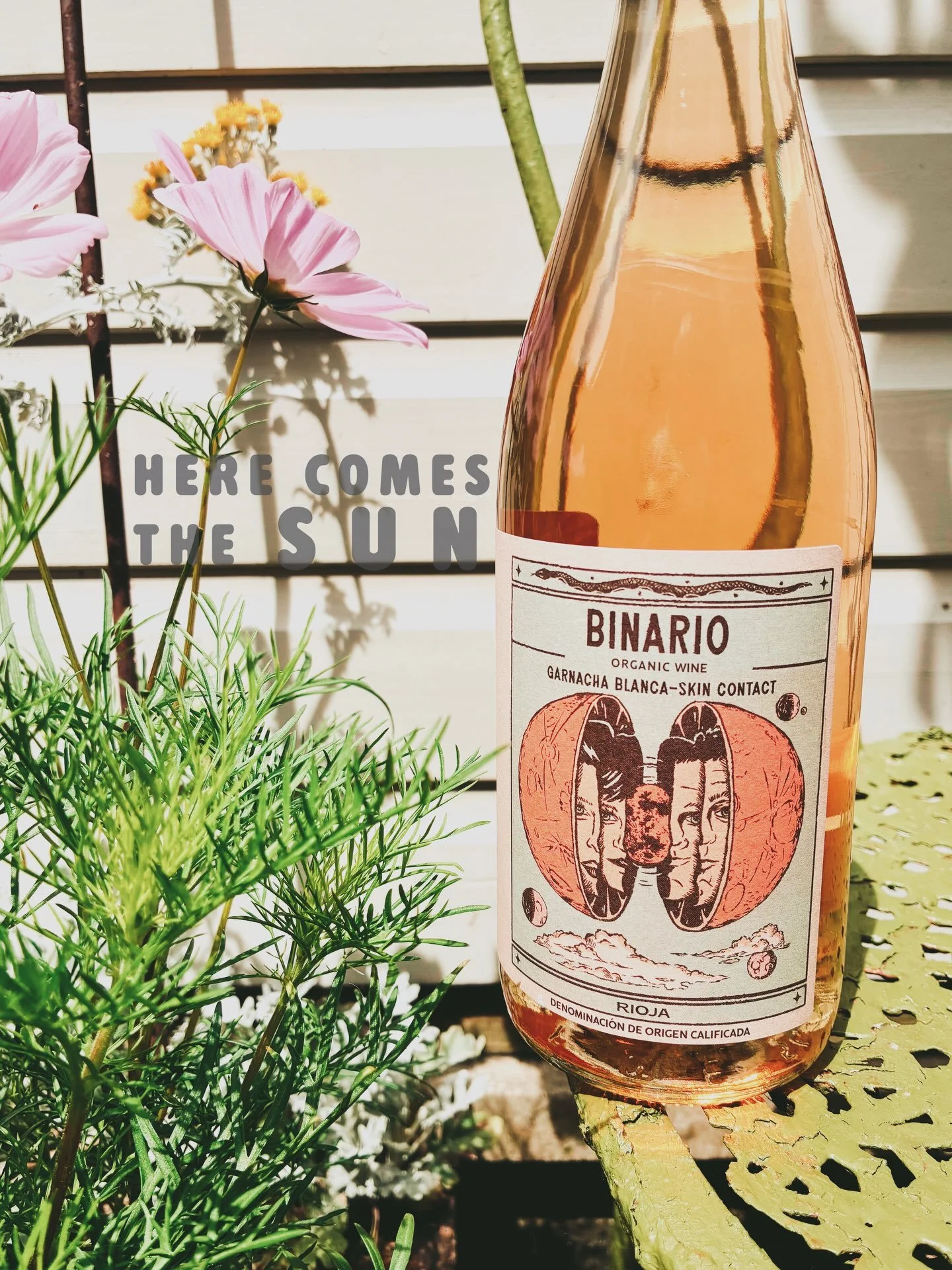
100% Organic and Biodynamic Orange Garnacha Blanco from Rioja.
Beautiful golden orange color. The nose is filled with the ripest apricot steeped in tangerine juice. Sea spray, sultanas, and yellow gummy bear explode from the glass – nothing is quiet about these aromatics!
The palate is dry, yet it’s like eating roasted pineapple-apricot tart. So much complexity and yet so much fun!

100% Organic and Biodynamic Tempranillo Blanco from Rioja.
Hand-picked at night to retain freshness, the fruit is destemmed and pressed into inox where it ferments on the skins for 15-20 days at 17ºC temperature.
Afterward, the wine is racked to a gentle stabilization and fining. No added sulfites within Demeter Biodynamic guidelines.
Yellow straw color with golden hints. On the nose, the wine shows tropical, ripe apple aromas with aromatic reminiscences of the vine shoots. In the mouth, it is smooth with balanced and controlled but lively acidity. Aftertaste with citric sensations.
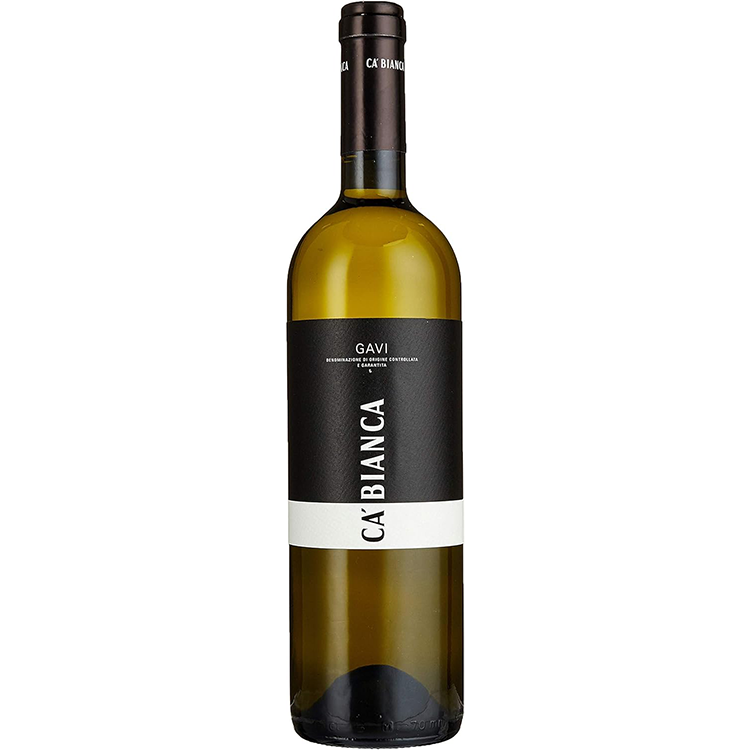
Ca’ Bianca Gavi is a white wine made with the Cortese variety in the DOCG Moscato d’Asti (Piedmont) by the Ca’ Bianca Italian winery.
One of the best known wineries in Piedmont, Ca’ Bianca was founded in 1950 in Alice Bel Colle, in the Province of Alessandria. With 40 hectares of spectacular vineyards around the winery they make a wide range of wines to suit the tastes of today’s consumers. A young and dynamic winery that makes both modern wines and everyday classics.
Made with the Cortese grape variety, the Ca’ Bianca Gavi vineyards are planted 350 metres above sea level. They use respectful agriculture and the yield is limited to 60 hl of wine per hectare with a planting density that does not exceed 4,500 strains per hectare.
The harvest is carried out when the grapes reach optimum ripeness. The Ca’ Bianca Gavi grapes are then pressed and fermented in stainless steel tanks at a controlled temperature. Then it ages briefly on its fine lees before being bottled.
Ca’ Bianca Gavi is a white wine from the heart of Piedmont and presents the fruitiness and the great acidity that are typical of this region’s wines.
Beer Shop

Careful and intense, Alhambra Lager Singular follows a slow fermentation process thanks to which its unique, light and fruity nuances are obtained, achieving a flavour as singular as its name.
Inspired by classic German Lager Pilsner style recipes and the Alhambra monument, our master brewers follow a careful brewing process to obtain a light, balanced Lager beer with a mild bitterness that translates into a unique flavour. Because only by dedicating the necessary time can such a unique beer be obtained.

Alhambra’s ‘non-alcoholic’ beer Sin (“without”) is brewed in a similar way and with the same natural ingredients to give the same character as their Especial.
During the brewing process certain parameters, such as temperatures and times, are adjusted and controlled. This produces a beer wort low in fermentable sugars, which minimises alcohol production during fermentation.
High quality, natural ingredients enhance the profile of Sin. Carefully selected barley malts, which are responsible for the golden colour and malted cereal aromas, plus the addition of corn to tone down the astringency of the malt. The hops used give the beer a mild bitterness with a pleasant persistence on the palate.

The beer you’ve been waiting for!
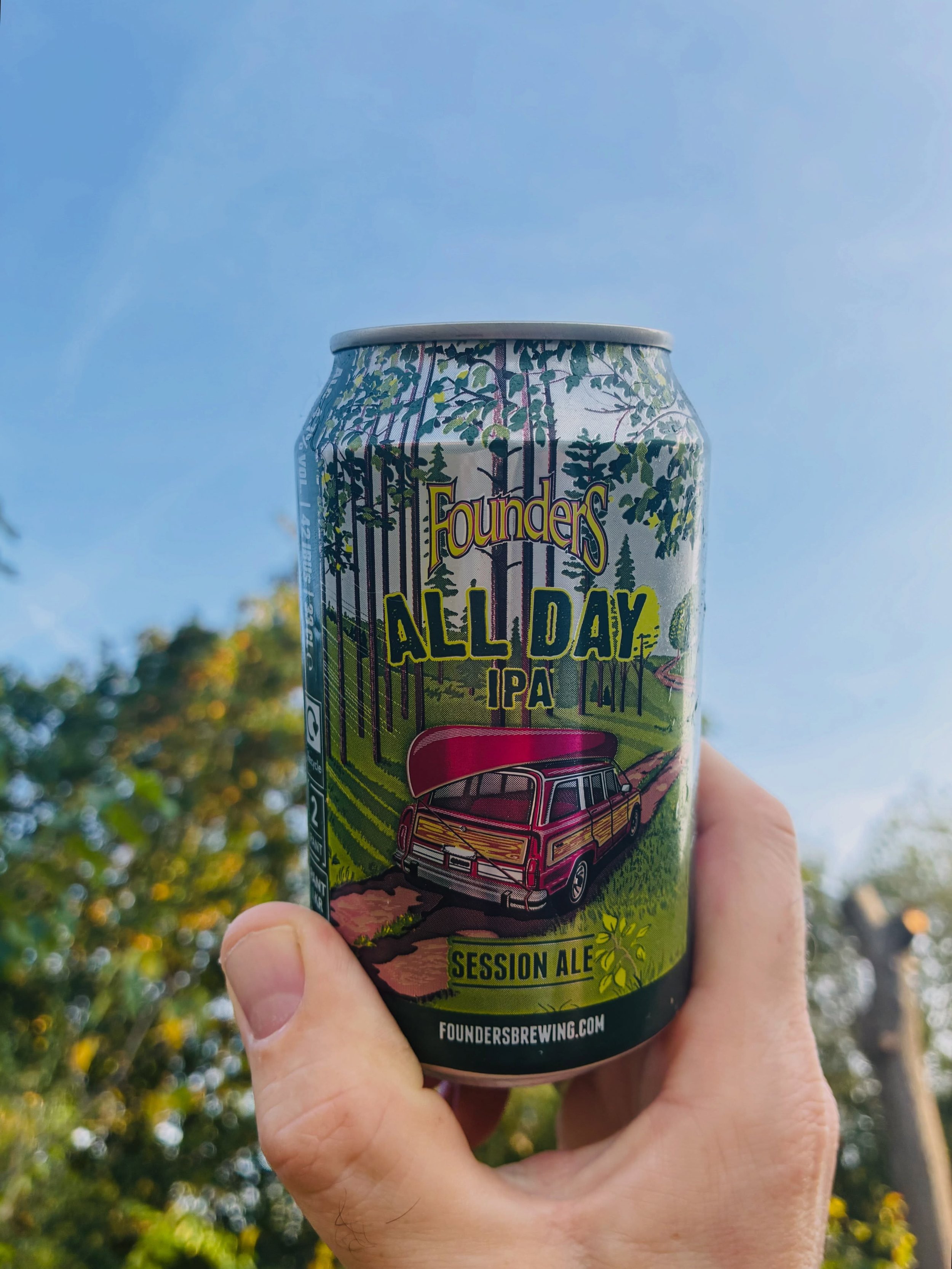
Keeps your taste satisfied while keeping your senses sharp. An all-day IPA naturally brewed with a complex array of malts, grains and hops. Balanced for optimal aromatics and a clean finish.
The perfect reward for an honest day’s work and the ultimate companion to celebrate life’s simple pleasures.

Officially Argentina’s favourite beer !
We’re pretty sure Messi loves it (but don’t quote us on that.)

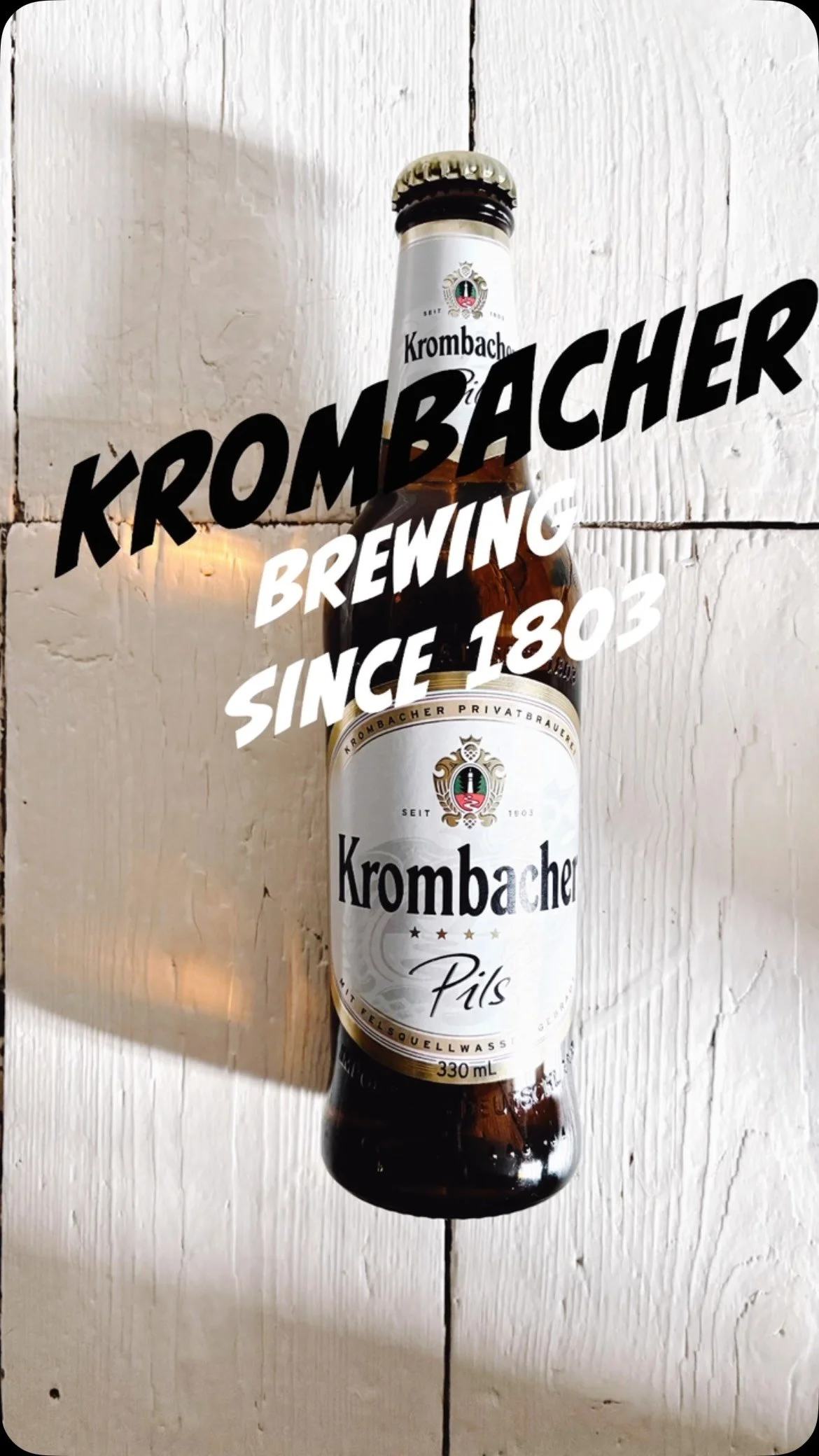
Krombacher Pils has a distinctive, finely bitter taste and a full aroma – this is a genuine premium Pilsner beer brewed only at source.
The traditional recipe using top quality ingredients is further enhanced by the breweries modern production processes and quest for innovation, creating the unique and acclaimed beer that is Krombacher Pils.
Germany’s best-selling premium Pilsner – one in 10 drinks consumed is a Krombacher!
Hops – Perle & Tradition for aroma, Hallertauer Magnum & Taurus for bittering.
Krombacher is a perfect marriage of old brewing traditions with modern technology and use of the finest natural ingredients: top quality hops from Hallertau, premium malt from spring barley and their own yeast strain – used fresh and once only in each brew. Their own water supply – the pure Felsquellwasser® (mountain spring water) – provides the essence to the uniqueness and taste of their beers.
Independent and still family owned they have no incentive to compromise on quality. Their commitment to this and taste combines to “turn a beer into a real Krombacher.”
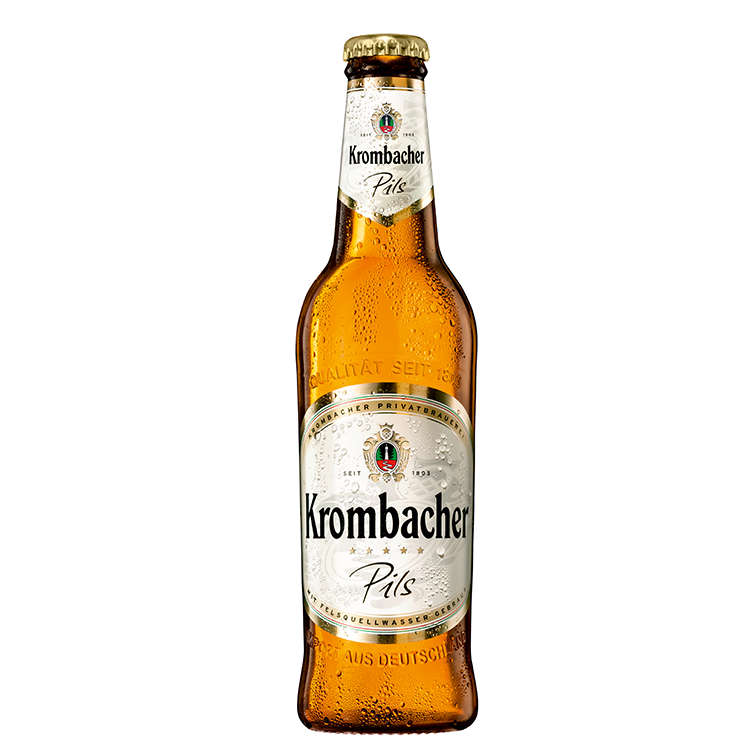
Krombacher Pils has a distinctive, finely bitter taste and a full aroma – this is a genuine premium Pilsner beer brewed only at source.
The traditional recipe using top quality ingredients is further enhanced by the breweries modern production processes and quest for innovation, creating the unique and acclaimed beer that is Krombacher Pils.
Germany’s best-selling premium Pilsner – one in 10 drinks consumed is a Krombacher!
Hops – Perle & Tradition for aroma, Hallertauer Magnum & Taurus for bittering.
Krombacher is a perfect marriage of old brewing traditions with modern technology and use of the finest natural ingredients: top quality hops from Hallertau, premium malt from spring barley and their own yeast strain – used fresh and once only in each brew. Their own water supply – the pure Felsquellwasser® (mountain spring water) – provides the essence to the uniqueness and taste of their beers.
Independent and still family owned they have no incentive to compromise on quality. Their commitment to this and taste combines to “turn a beer into a real Krombacher.”

Krombacher Pils has a distinctive, finely bitter taste and a full aroma – this is a genuine premium Pilsner beer brewed only at source.
The traditional recipe using top quality ingredients is further enhanced by the breweries modern production processes and quest for innovation, creating the unique and acclaimed beer that is Krombacher Pils.
Germany’s best-selling premium Pilsner – one in 10 drinks consumed is a Krombacher!
Hops – Perle & Tradition for aroma, Hallertauer Magnum & Taurus for bittering.
Krombacher is a perfect marriage of old brewing traditions with modern technology and use of the finest natural ingredients: top quality hops from Hallertau, premium malt from spring barley and their own yeast strain – used fresh and once only in each brew. Their own water supply – the pure Felsquellwasser® (mountain spring water) – provides the essence to the uniqueness and taste of their beers.
Independent and still family owned they have no incentive to compromise on quality. Their commitment to this and taste combines to “turn a beer into a real Krombacher.”
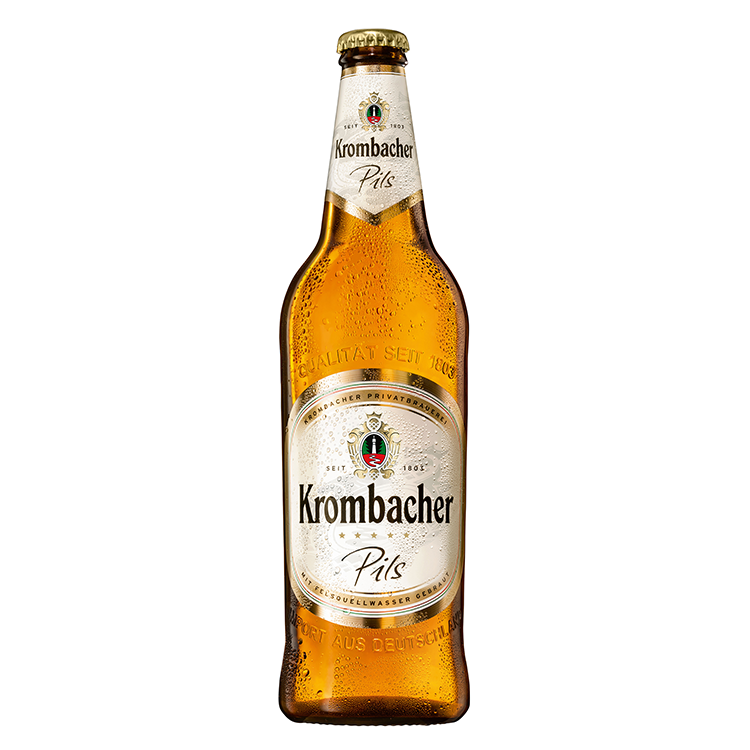
Krombacher Pils has a distinctive, finely bitter taste and a full aroma – this is a genuine premium Pilsner beer brewed only at source.
The traditional recipe using top quality ingredients is further enhanced by the breweries modern production processes and quest for innovation, creating the unique and acclaimed beer that is Krombacher Pils.
Germany’s best-selling premium Pilsner – one in 10 drinks consumed is a Krombacher!
Hops – Perle & Tradition for aroma, Hallertauer Magnum & Taurus for bittering.
Krombacher is a perfect marriage of old brewing traditions with modern technology and use of the finest natural ingredients: top quality hops from Hallertau, premium malt from spring barley and their own yeast strain – used fresh and once only in each brew. Their own water supply – the pure Felsquellwasser® (mountain spring water) – provides the essence to the uniqueness and taste of their beers.
Independent and still family owned they have no incentive to compromise on quality. Their commitment to this and taste combines to “turn a beer into a real Krombacher.”

Krombacher Pils has a distinctive, finely bitter taste and a full aroma – this is a genuine premium Pilsner beer brewed only at source.
The traditional recipe using top quality ingredients is further enhanced by the breweries modern production processes and quest for innovation, creating the unique and acclaimed beer that is Krombacher Pils.
Germany’s best-selling premium Pilsner – one in 10 drinks consumed is a Krombacher!
Hops – Perle & Tradition for aroma, Hallertauer Magnum & Taurus for bittering.
Krombacher is a perfect marriage of old brewing traditions with modern technology and use of the finest natural ingredients: top quality hops from Hallertau, premium malt from spring barley and their own yeast strain – used fresh and once only in each brew. Their own water supply – the pure Felsquellwasser® (mountain spring water) – provides the essence to the uniqueness and taste of their beers.
Independent and still family owned they have no incentive to compromise on quality. Their commitment to this and taste combines to “turn a beer into a real Krombacher.”

A West Coast style IPA brewed using Columbus, Mosaic, Citra and Cascade; then infused and enhanced with grapefruit juice.
Fruity and citrus flavours of the hops combine with grapefruit as a perfectly balanced beer – spicy and very refreshing: an amazing thirst quencher

A non-alcoholic New England style IPA – which is hazy, less bitter and more fruity than general American IPAs
Funhouse is vanderStreek’s second low-alc IPA beer; initially brewed in collaboration with Hong Kong brewery Gweilo who have also worked with other leading UK craft brewers such as Vocation. It is based on their 6.6% Hazy Weekend NEIPA using Sabro and Mosaic hops, and was first brewed in 2018.
Hazy, looking and smelling of orange – plus pineapple and grapefruit. Medium body with a taste emphasising oranges and lemons with light malt and piney hops. It has a moderate bitterness and a citrus finish.

Quality is evident in this Ultra premium lager with a unique embossed bottle.
Reserva 1925 is named after the year of the brewery’s foundation and, inspired by the first recipes, was first brewed in 1997. The iconic bottle (awarded both Gold and overall ‘Best in Show’ for packaging in the 2015 International Beer Challenge) is based on the original design, without a label – and green glass in Spain was very rare in those days!
It certainly lives up to its “Crafted Inside & Out” tag-line. The finest ingredients are used: Nugget, Magnum and Taurus hops for bittering, Saaz for aroma; a specific yeast strain pitched fresh in every batch. It is brewed and conditioned over a lengthy 35 days to impart the maximum of flavour and smoothness
“Country Winner” – Strong Beer Category: World Beer Awards 2016
Alhambra brewery was founded in Granada in 1925 and is named after the city’s magnificent Alhambra Palace. Alhambra beers, like the Palace, are a by-word for tradition and craftmanship.

Great taste meets 0,0% refreshment. For everyday & anytime.
Innovative 0.0% brewing leads to superior taste and natural refreshment
Krombacher ‘Alkoholfrei’ 0,0% Pils is easy drinking and ultra refreshing with a well balanced malt character and light hop aromsa. A full flavour with the famous Krombacher finish!
Everyday and anytime - whether it’s drunk at work, during or after sports / fitness, on the road or just for pleasure at home!

A truly ‘craft’ non-alcoholic IPA from the Dutch brewer vandeStreek Brouwerij. It manages to have a minimal taste variation from other regular versions of a hop forward IPA.
Playground is first and foremost an IPA. Huge dry hopping aromas and a punchy bitterness that follows. The non alcoholic character in the beer is completely forgotten when you give this beer a try. What you will not forget, is what you did last night.
The low alcohol is achieved by using a very unique yeast variety and specially installed brewing equipment. Key to packing so much flavour into this beer is that nothing has been taken out. No dealcoholization, no weird ingredients.

A ‘Bock’ style lager full of delicate notes with a flavour that is much smoother and silkier than expected given its high abv.
Alhambra brewery was founded in Granada in 1925 and is named after the city’s magnificent Alhambra Palace. Alhambra beers, like the Palace, are a by-word for tradition and craftmanship.

Windhoek is a thirst quenching beer from one of the world’s driest countries. It is fast becoming an international brand, currently enjoyed in the United Kingdom, Europe, Australia and many parts of Africa: a beer known and appreciated for its pure, honest taste and reliable authenticity.
Windhoek is brewed by Namibia Breweries Ltd (NBL) and has a distinctive German heritage. In 1920 immigrants Carl List and Hermann Ohithaver bought four local breweries and consolidated them into South West Breweries (South West Africa being the country’s name at the time) based in the capital Windhoek. Its name was changed in 1990 when the country gained independence as Namibia.
The German connection continues to this day – at the heart of brewing Windhoek is NBLs adherence to the Reinheitsgebot (German Purity) Law. Unable to grow hops in the country, hops are imported from Germany’s Hallertau region, malt barley is sourced from a handful of selected suppliers in Germany and a German yeast strain is used. Water, a precious resource in a desert country, is drawn from a private storage dam 47 miles from the brewery.
NBL have a strong commitment towards the environment and wildlife. Since 2016 they have made available N$1million as rewards to anyone who provides a tip-off on rhino poaching leading to the conviction of culprits. In 2017 they have donated a two-seater Piper Super Cub aircraft for use in operations to curb the poaching of Namibia’s wildlife.
Sherry, Vermouth and Gin
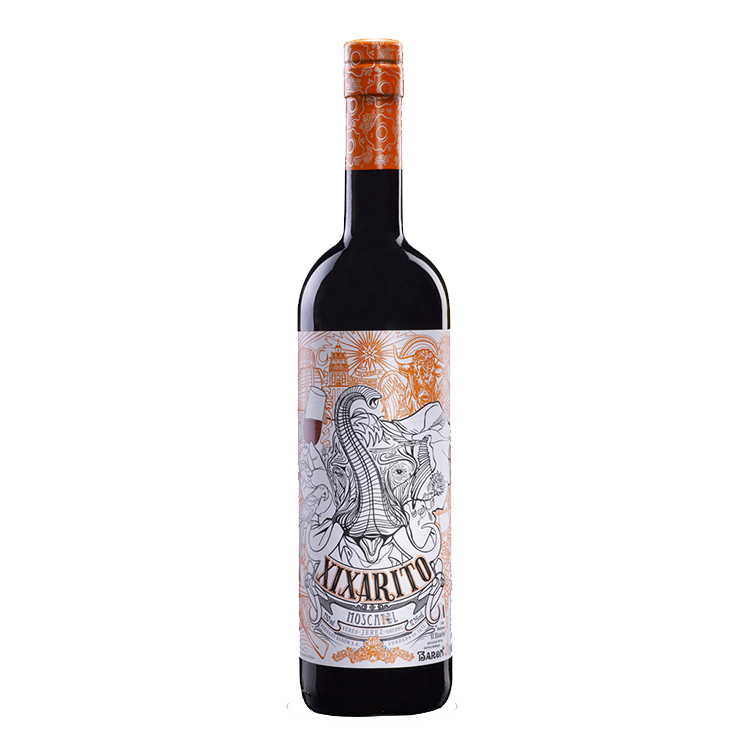
Our Moscatel is made from the grape of the same name, which undergoes the traditional process of "sun-drying" until achieving an intense raisin-like quality of the fruit.
After pressing, the musts obtained exhibit an extraordinary concentration of sugars and a certain degree of coloration. This is then subjected to partial alcoholic fermentation, which is halted, if necessary, by the addition of wine alcohol. Its aging process is exclusively oxidative in nature.

The Spirit of Barcelona since 1875.
One of the first craft distilleries in Catalonia with more than 140 years of history.
Port Vell is a bottle of good memories, a handful of aromas, flavours and sensations. A fast trip to Barcelona! Crystal clear Classic juniper nose with a touch of citrus and balsam Clean, dry and nicely bitter, yet smooth aromatic and unctuous 42% abv Coriander, Clove, Juniper, Angelica root, Ginger, Lemon and Orange peel Serve with a generous twist of fresh lemon and lime peel.

The 3rd Edition has landed!!
The first Bar 44 Manzanilla in collaboration with Bodegas Barón one of the oldest producers in the region. Manzanilla 44 has been personally chosen by Owen and Tom from a cellar dating back to 1631. This is a wine produced in a younger criadera/scale of the Anselmo Paz Solera, with an average of 5 years ageing, bottled unfiltered.
The first bottling sold out in 2 weeks, and proved very popular with novices and sherry lovers alike. Perfect to partner with all round tapas, seafood rice dishes, prawns, sushi, or fish and chips!

Fino is the finest and most delicate wines style of sherry and Micaela offers a first rate, entry level example.
This sherry has spent 3-4 years in the Solera and is best served at 6°C – 8°C.
Micaela is the new design for the entry level range from Bodegas Barón. With a distinct and deliberate move away from a traditional image, Barón are expressing themselves with ultra-modern stylings.
The design represents a piece of woven cloth: the petals are those of the Passion flower – to symbolise the passion they have for their wines and the passion customers have for them.

Micaela is the entry label of Bodegas Baron – who are based in the town of Sanlúcar de Barrameda, the area of Jerez where all Manzanilla in produced as the proximity to the Atlantic Ocean imparts a lighter more ‘salty’ character to the sherry.
This sherry has spent 3-4 yeras in the Solera and is best served at 6°C – 8°C.
Micaela is the new design for the entry level range from Bodegas Barón. With a distinct and deliberate move away from a traditional image, Barón are expressing themselves with ultra-modern stylings.
The design represents a piece of woven cloth: the petals are those of the Passion flower – to symbolise the passion they have for their wines and the passion customers have for them.

An aged Manzanilla ‘Pasada’ and bottled ‘en Rama’ unfiltered. Great complexity is achieved from its 10 years in the solera, Xixarito Manzanilla is a perfect aperitif and accompaniment to a wide variety of foods.
Xixarito represents the second tier of wines from Bodegas Barón. An uber fashionable design led label is aimed at the more discerning and style conscious consumer or establishment.
The montage of images on the label depict events in the family’s history; these notes on the design are by Bodegas co-owner Juan Luis:
“Its design is a tribute to my grandfather’s nickname ‘Xixarito’ – it is like Chicharito (little pea) and is a reference to his bright green eyes. Each part of the label is a piece of life of my grandfather, the winery, the winery dog, my uncle Venenciando, my grandfather in disguise with my grandmother, the bull symbol, the flag of Sanlúcar, the sidecar motorcycle he had when he was young, the ship is that of Christopher Columbus. Egg with peas is the sun. There is also a story about an Elephant… but that’s for another time…”
A little obscure perhaps, but then so is the design!

An extraordinarily concentrated sweet wine of intense raisiny fruit. The natural sugars from the PX grape undergo partial fermentation and alcohol fortification before ageing for 15 years in the solera.
Xixarito represents the second tier of wines from Bodegas Barón. An uber fashionable design led label is aimed at the more discerning and style conscious consumer or establishment.
The montage of images on the label depict events in the family’s history; these notes on the design are by Bodegas co-owner Juan Luis:
“Its design is a tribute to my grandfather’s nickname ‘Xixarito’ – it is like Chicharito (little pea) and is a reference to his bright green eyes. Each part of the label is a piece of life of my grandfather, the winery, the winery dog, my uncle Venenciando, my grandfather in disguise with my grandmother, the bull symbol, the flag of Sanlúcar, the sidecar motorcycle he had when he was young, the ship is that of Christopher Columbus. Egg with peas is the sun. There is also a story about an Elephant… but that’s for another time…”
A little obscure perhaps, but then so is the design!

PX is a naturally sweet style of sherry and is more like a dessert wine. It is made from the Pedro Ximénez grape and aged like Oloroso. Serve at 12°C – 14°C.
Micaela is the new design for the entry level range from Bodegas Barón. With a distinct and deliberate move away from a traditional image, Barón are expressing themselves with ultra-modern stylings.
The design represents a piece of woven cloth: the petals are those of the Passion flower – to symbolise the passion they have for their wines and the passion customers have for them.

A soft and complex dry Oloroso that has spent more than 15 years in the solera – specially selected for the Xixarito range.
Xixarito represents the second tier of wines from Bodegas Barón. An uber fashionable design led label is aimed at the more discerning and style conscious consumer or establishment.
The montage of images on the label depict events in the family’s history; these notes on the design are by Bodegas co-owner Juan Luis:
“Its design is a tribute to my grandfather’s nickname ‘Xixarito’ – it is like Chicharito (little pea) and is a reference to his bright green eyes. Each part of the label is a piece of life of my grandfather, the winery, the winery dog, my uncle Venenciando, my grandfather in disguise with my grandmother, the bull symbol, the flag of Sanlúcar, the sidecar motorcycle he had when he was young, the ship is that of Christopher Columbus. Egg with peas is the sun. There is also a story about an Elephant… but that’s for another time…”
A little obscure perhaps, but then so is the design!

At the end of the 19th century, wines from Tarragona enjoyed great prestige internationally. At that time, our Padró ancestors were making liqueur wines in the style of the “great wines” of the time: Port, Sherry or Sauternes, among others. In 1947, these fortified wines were the first to be regulated within the Tarragona Denominación de Orígen or Appellation and were given the name Tarragona Clásicos.
We wanted to make a vermouth using a sweet Tarragona Clásico-style liqueur wine aged for 5 years in 7,000-litre oak vats and which we have been using at the winery for generations. We add a small amount of this wine to the solera wine in the final vermouth coupage together, of course, with our special touch of vermouth herbs.

Our most charismatic vermouth is made using a double infusion of red vermouth and bitter herbs.
Rojo Amargo starts with an initial infusion of mountain plants, with their small roots and highly aromatic flowers.
The vermouth then rests for two years in chestnut barrels gently absorbing the aromas and, once the ageing process is complete, a second herb mixture is added consisting of a combination of plant bark and roots from the area around the winery, which give the vermouth even more character and its bitter tang.

A classic red vermouth that evokes the herbaceous and medicinal aromas of the vermut pre-lunch drink traditionally enjoyed almost religiously every Sunday at noon at neighborhood bars or cafés.
Made from Macabeo and Xarello harvested in Padro’s own vineyards, after vinifying the grapes, in the winter following the harvest, sugar and herbs are added to create a base vermouth.
Keeping the wine in 50 year old chestnut barrels, used originally for transporting wine but now adapted for storing vermouth, gives the wine its colour. With the barrels being outside, and not in a cellar, the heat speeds up the aging and adds a little oxidation.
Solan de Cabras
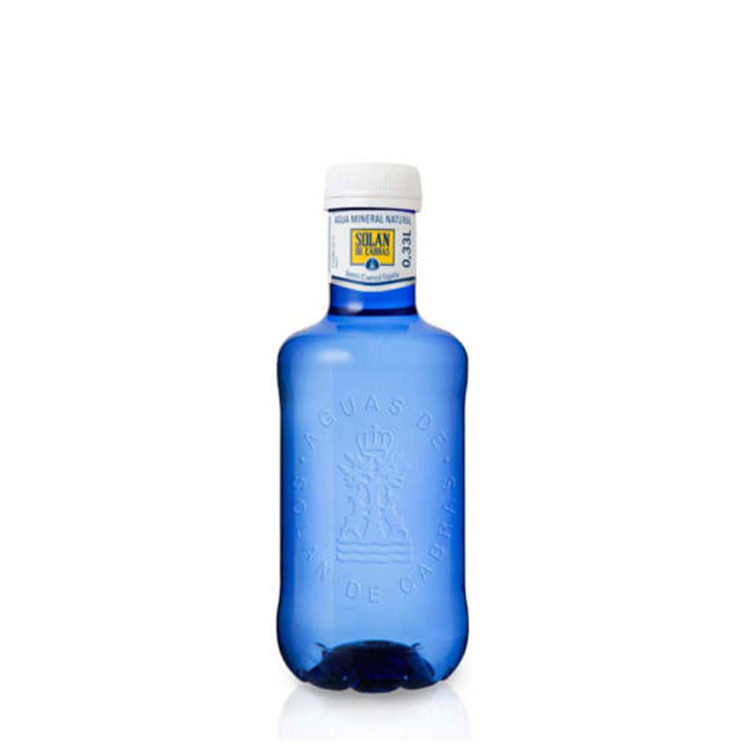
A WATER LIKE THIS CAN ONLY BE CREATED BY NATURE
3600 YEARS OF NATURAL FILTRATION IN EVERY BOTTLE.
Solán de Cabras is from a remote spring in an isolated region of Cuenca, Spain. This spring has been recognized over the centuries by royal decree as a treasured resource. Rainwater and snow in their purest forms descend from the sky upon the mountains filtering through 7 layers of minerals and rock. Please enjoy a product only touched by nature for thousands of years.
Our water does not need chemical treatments as filtered water does, so it' mineral composition and unique properties are always constant and are maintained over time.

A WATER LIKE THIS CAN ONLY BE CREATED BY NATURE
3600 YEARS OF NATURAL FILTRATION IN EVERY BOTTLE.
Solán de Cabras is from a remote spring in an isolated region of Cuenca, Spain. This spring has been recognized over the centuries by royal decree as a treasured resource. Rainwater and snow in their purest forms descend from the sky upon the mountains filtering through 7 layers of minerals and rock. Please enjoy a product only touched by nature for thousands of years.
Our water does not need chemical treatments as filtered water does, so it' mineral composition and unique properties are always constant and are maintained over time.

A WATER LIKE THIS CAN ONLY BE CREATED BY NATURE
3600 YEARS OF NATURAL FILTRATION IN EVERY BOTTLE.
Solán de Cabras is from a remote spring in an isolated region of Cuenca, Spain. This spring has been recognized over the centuries by royal decree as a treasured resource. Rainwater and snow in their purest forms descend from the sky upon the mountains filtering through 7 layers of minerals and rock. Please enjoy a product only touched by nature for thousands of years.
Our water does not need chemical treatments as filtered water does, so it' mineral composition and unique properties are always constant and are maintained over time.

A WATER LIKE THIS CAN ONLY BE CREATED BY NATURE
3600 YEARS OF NATURAL FILTRATION IN EVERY BOTTLE.
Solán de Cabras is from a remote spring in an isolated region of Cuenca, Spain. This spring has been recognized over the centuries by royal decree as a treasured resource. Rainwater and snow in their purest forms descend from the sky upon the mountains filtering through 7 layers of minerals and rock. Please enjoy a product only touched by nature for thousands of years.
Our water does not need chemical treatments as filtered water does, so it' mineral composition and unique properties are always constant and are maintained over time.

A WATER LIKE THIS CAN ONLY BE CREATED BY NATURE
3600 YEARS OF NATURAL FILTRATION IN EVERY BOTTLE.
Solán de Cabras is from a remote spring in an isolated region of Cuenca, Spain. This spring has been recognized over the centuries by royal decree as a treasured resource. Rainwater and snow in their purest forms descend from the sky upon the mountains filtering through 7 layers of minerals and rock. Please enjoy a product only touched by nature for thousands of years.
Our water does not need chemical treatments as filtered water does, so it' mineral composition and unique properties are always constant and are maintained over time.
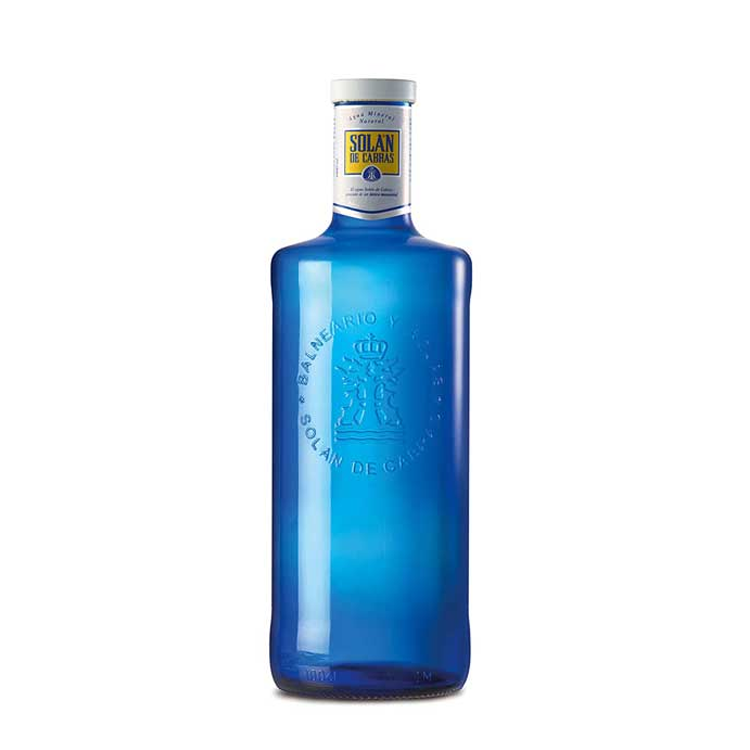
A WATER LIKE THIS CAN ONLY BE CREATED BY NATURE
3600 YEARS OF NATURAL FILTRATION IN EVERY BOTTLE.
Solán de Cabras is from a remote spring in an isolated region of Cuenca, Spain. This spring has been recognized over the centuries by royal decree as a treasured resource. Rainwater and snow in their purest forms descend from the sky upon the mountains filtering through 7 layers of minerals and rock. Please enjoy a product only touched by nature for thousands of years.
Our water does not need chemical treatments as filtered water does, so it' mineral composition and unique properties are always constant and are maintained over time.

A WATER LIKE THIS CAN ONLY BE CREATED BY NATURE
3600 YEARS OF NATURAL FILTRATION IN EVERY BOTTLE.
Solán de Cabras is from a remote spring in an isolated region of Cuenca, Spain. This spring has been recognized over the centuries by royal decree as a treasured resource. Rainwater and snow in their purest forms descend from the sky upon the mountains filtering through 7 layers of minerals and rock. Please enjoy a product only touched by nature for thousands of years.
Our water does not need chemical treatments as filtered water does, so it' mineral composition and unique properties are always constant and are maintained over time.

A WATER LIKE THIS CAN ONLY BE CREATED BY NATURE
3600 YEARS OF NATURAL FILTRATION IN EVERY BOTTLE.
Solán de Cabras is from a remote spring in an isolated region of Cuenca, Spain. This spring has been recognized over the centuries by royal decree as a treasured resource. Rainwater and snow in their purest forms descend from the sky upon the mountains filtering through 7 layers of minerals and rock. Please enjoy a product only touched by nature for thousands of years.
Our water does not need chemical treatments as filtered water does, so it' mineral composition and unique properties are always constant and are maintained over time.
Follow our journey..
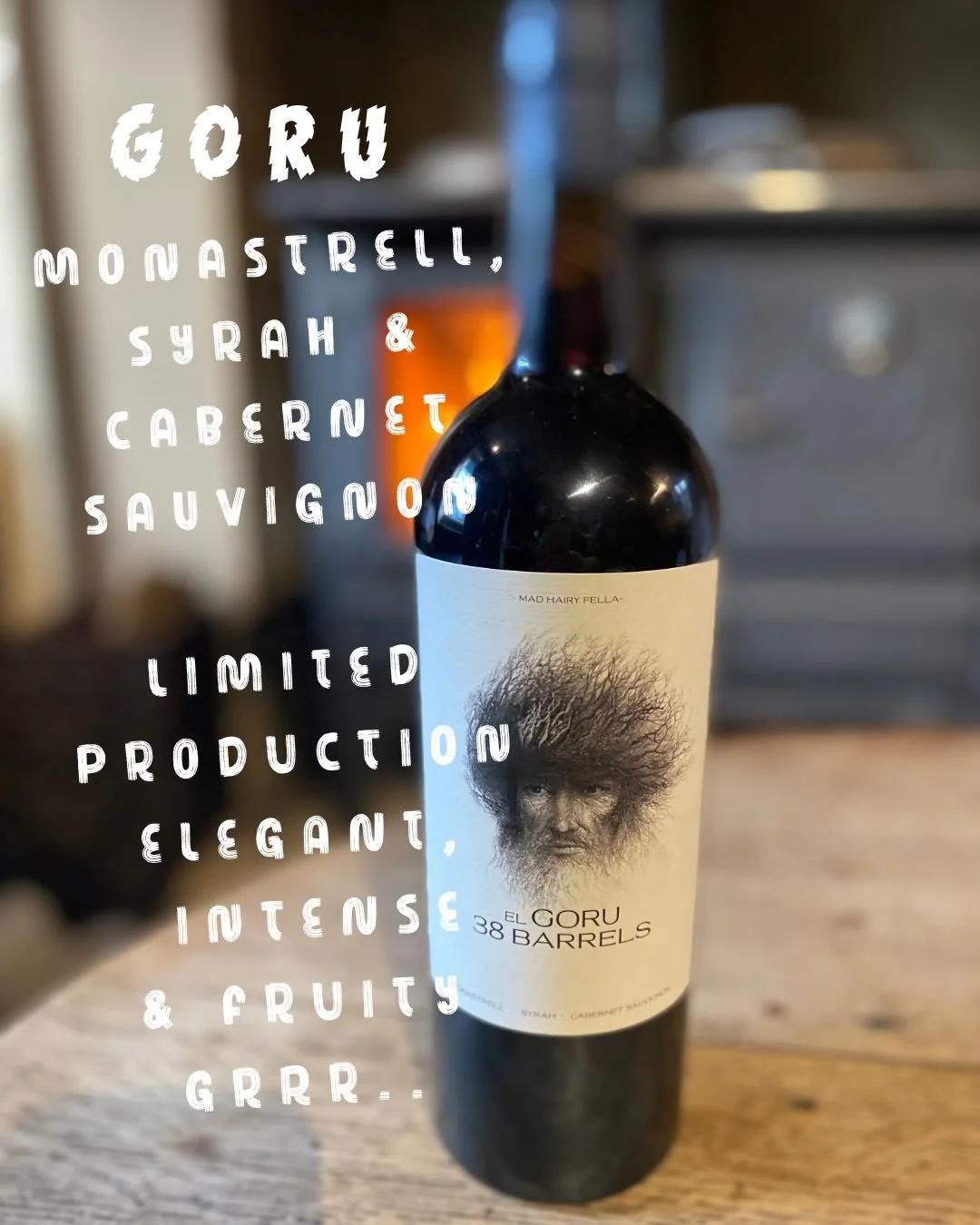
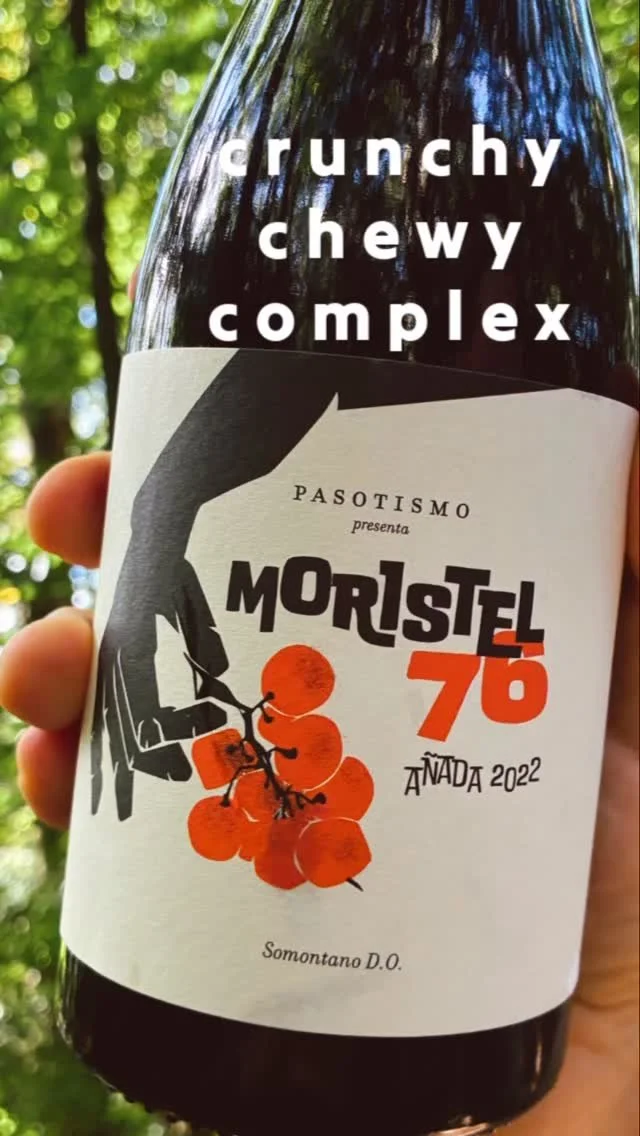
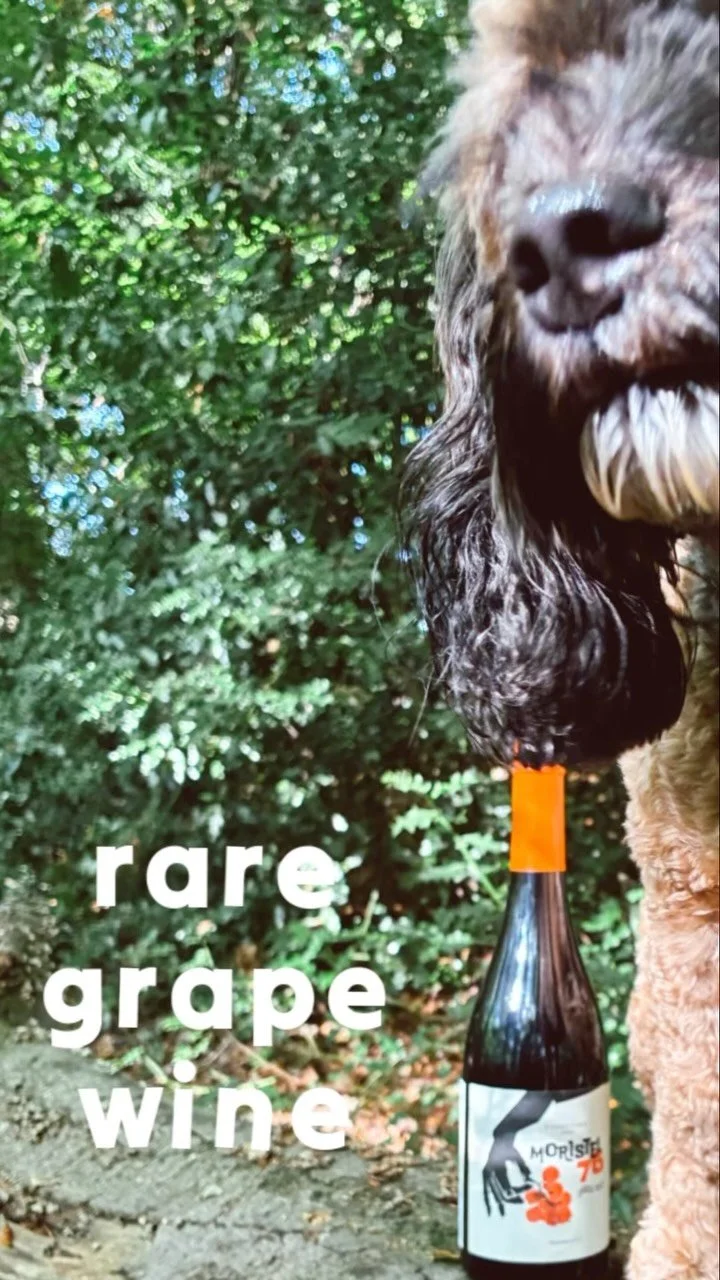


Moristel is a rare Somonanto varietal and the wine is made from vines planted in 1976.
Hand harvested from these old vines, the meticulous fruit selection was followed by partial foot treading with 35% left as whole bunches. The juice has 15% stem contact fermentation and extended skin contact maturation in concrete tanks for 4 to 6 weeks. After pressing the wine was returned to concrete tanks for further maturation for 12 months without any use of oak.
Limited production of 4200 bottles
Pasotismo (Spanish for a couldn’t care less attitude, which must be the most tongue-in-cheek wine name ever) is a collaboration between winemakers Nicolas Brun Aguerri of Batan de Salas and Tom Hunt of Paso-Primero .Together they have become the most viticulturally dynamic winery in the whole of Somontano, working tirelessly to re-establish indigenous varieties and farm sustainably despite increased climatic demands.
The name Paso-Primero doesn’t quite translate to first step, though the story is of two people who dreamed about making their own wine, but never realised how far their dream would take them.
Tom and Emma Holt’s passion for wine started in their hometown of Shrewsbury and their sense of adventure led them working in wineries in Hawke’s Bay, New Zealand (Pask) and Ontario, Canada (Flat Rock Cellars). The ambition though was always to make wine in the ‘old world’ and Spain was top of the list.
They targeted the Somonato region in the southern foothills of the Pyrenees and met with Batan de Salas, a young, family run winery and found they shared the same winemaking vision and passion for great wines. Together they have revitalised vineyards, focused on unique regional varietals - Alcanon and Moristel - moved towards organic certification and won international awards.
Starting with just one cuvee, 15 years on Tom & Emma are established in Somontano, couldn’t be happier and are now making 8 unique wines. “Our goal has always stayed the same. We simply want to make the kind of wine we’ve always loved drinking. Wine with character and integrity, made with passion and purpose. Wine that represents the personality of the region, the vintage, and the winemakers. But above all else, we want to make wines that make us smile.”